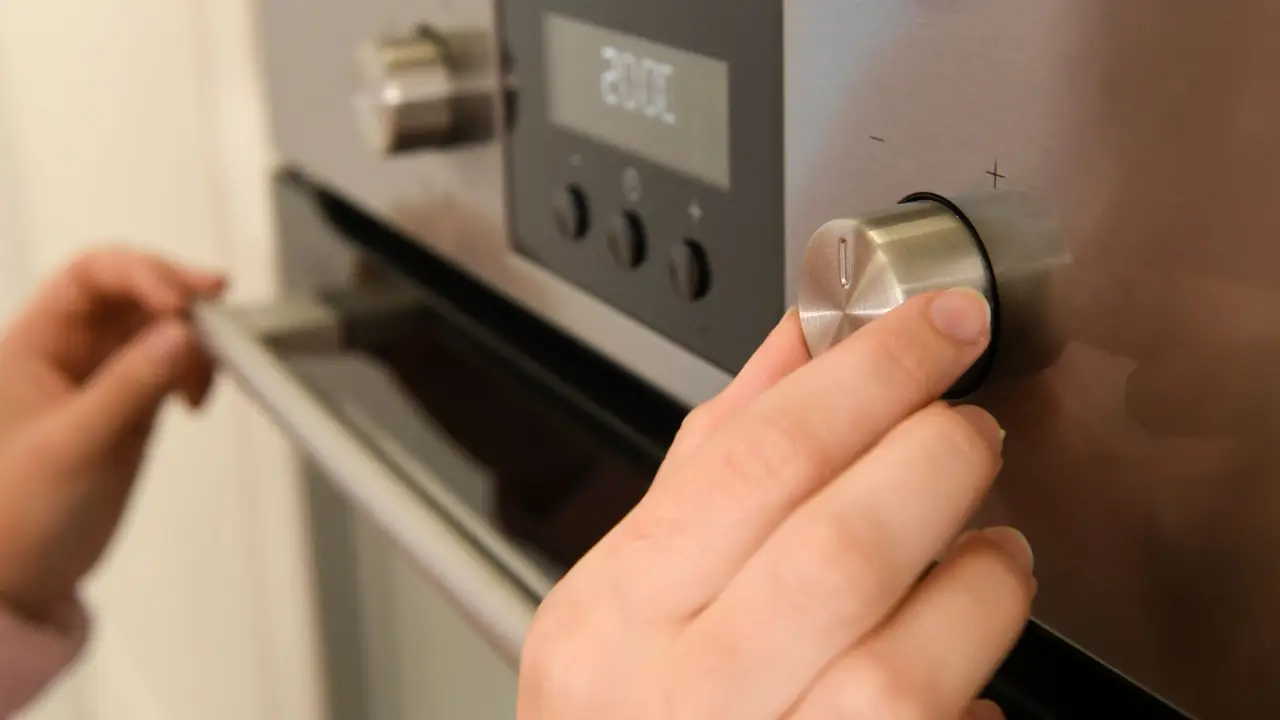
Cockroaches in your appliances, and what to do about it
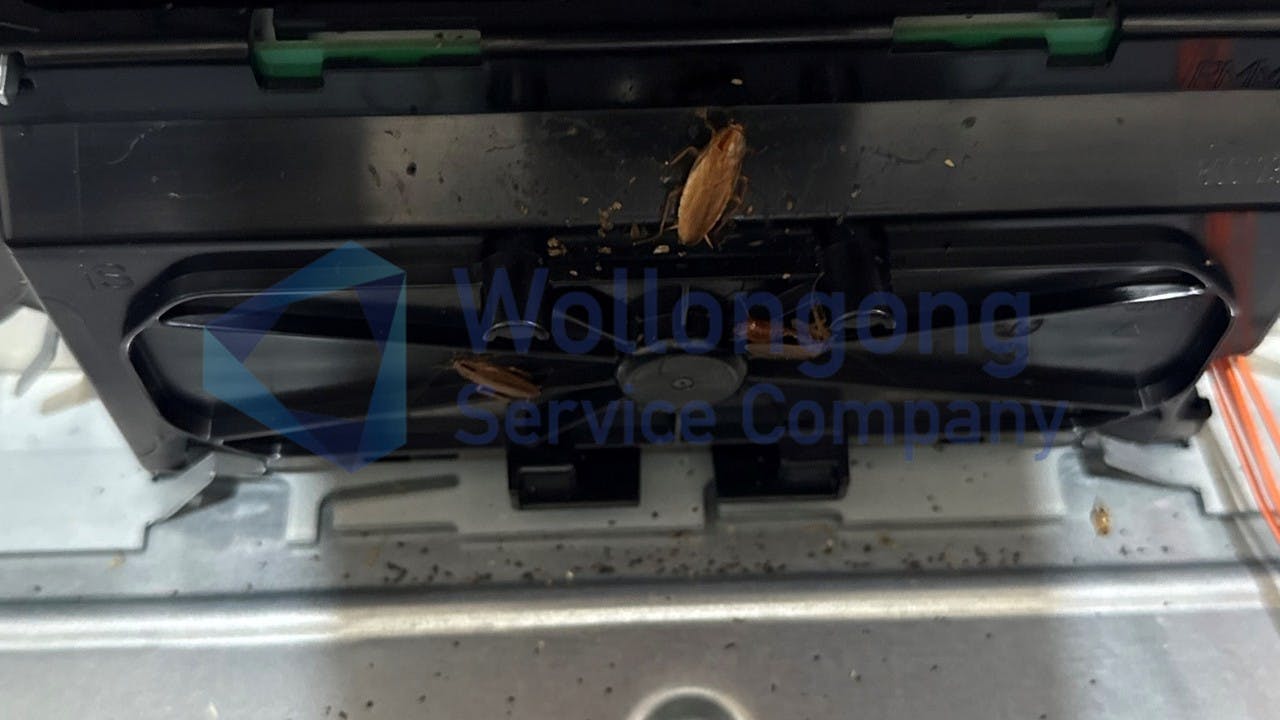
One of the odder service calls we get is an appliance that has stopped working, and when we open it up, cockroaches. It happens more than people expect, especially in warm kitchens and laundries. Here is why they get in, what they do once they are there, and how to keep them out.
Why they head for your appliances
Cockroaches are cold-blooded, so they chase warmth, and an appliance is a reliable source of it. A fridge compressor, a dishwasher, a microwave transformer and the electronics behind an oven all run warm, some of them even when the appliance is idle. Add a bit of moisture, a food supply from crumbs under the fridge or grease around the oven door, and a dark tight crevice behind a control panel, and you have everything a roach wants. As the Victorian government's Better Health Channel notes, cockroaches thrive in warm, humid and unhygienic conditions.
Cockroaches in the dishwasher
A dishwasher gives cockroaches everything they look for: leftover warmth in the base and motor housing after a cycle, moisture trapped in the door seal and the filter basket, and food scraps in the same filter most people rarely pull out. It is one of the more common appliances we find them nesting in.
The tell is usually down at the filter and kickplate rather than up on the racks: droppings that look like ground coffee, a musty smell that lingers after a wash, or a control fault that comes and goes rather than failing outright, the same board-bridging problem covered below. Pull the filter and wipe out the sump if the machine has sat unused for a while, since that is the one part that stays damp and dark between cycles.
Cockroaches in washing machines
A washing machine stays warm and wet, and soap residue gives them something to feed on. They rarely live in the drum. Look instead at the detergent drawer cavity, the fold of the door seal on a front-loader, the kickplate and the area around the drain hose and pump.
Check those spots for droppings and shed skins, then wipe out the drawer cavity and seal and clear any detergent build-up. Leave the door and drawer ajar between washes so the machine can dry.
Cleaning the machine does not remove an infestation. Call a pest controller for that. Call a repairer if the machine has started tripping the power, throwing error codes or failing to drain, because droppings can foul the pump, wiring or control board. We cover that on washing machine repairs.
What the damage looks like
The problem is not just that they are there. Cockroach droppings and shed skins are greasy and mildly conductive. Build up on a circuit board and they can bridge contacts, corrode connectors over time, or trip your safety switch. A nest tucked into a fridge's control housing or behind a dishwasher's board is enough to kill the appliance outright.
Signs to watch for: a musty smell, brown speckling that looks like coffee grounds around vents and door seals, or an appliance that keeps tripping power or throwing error codes for no clear reason. The warm, greasy crevices of an oven or the vents behind a rangehood are common spots.
It is a health issue too
Beyond the machinery, roaches carry bacteria across the same surfaces you prepare food on, and their droppings and shed skins are recognised asthma and allergy triggers, particularly for children. That is reason enough to deal with them promptly rather than living around them.
Keeping them out
- Clean where it is warm and dark. Pull the fridge out now and then and vacuum the coils and the floor behind it. Wipe grease from around the oven and rangehood.
- Cut off food and water. Sweep up crumbs, cover pet food, and do not leave standing water sitting in the dishwasher or under the sink.
- Seal the gaps. A bead of silicone around pipe and cable entries closes off the routes they use to get behind cabinetry.
- If you already have an active infestation, treat the source. Killing what is in one appliance will not stop the next lot, so a local pest controller like Avalanche Pest Control is the real fix.
How to get cockroaches out of an appliance
Getting them out means opening the appliance up rather than treating the outside: clearing out the nest and droppings, checking the control board for damage, and stopping the machine if it has started tripping the power, because that usually means droppings have already bridged a contact.
If your fridge, dishwasher or oven is misbehaving and you suspect roaches are behind it, we open it up, clean out the mess and repair or replace whatever part they have damaged. We work on all major brands across the Illawarra and South Coast, with a $125 assessment fee across the Illawarra and $145 further out, and a quote before any work starts. Treating the infestation itself so it doesn't come straight back is a job for Avalanche Pest Control; we handle what they have left behind in the appliance. Book a repair or call 02 4229 3777.