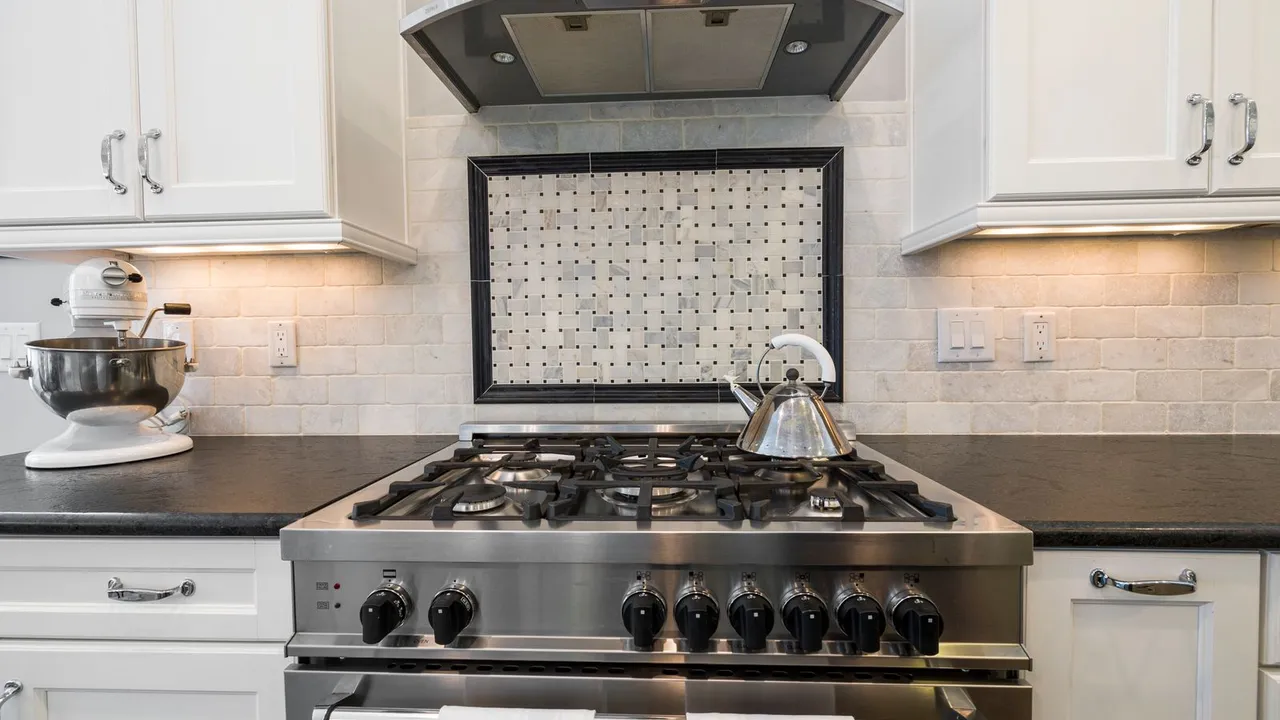
A rangehood is the appliance people forget about until the kitchen starts smelling of every meal from the past week. The fan sounds like it is running, but the steam sits over the pot and a greasy film has crept onto the cupboard doors above the stove. Most people assume the motor is on the way out.
It usually is not. It is the filters.
Weak extraction is nearly always grease
The metal filters under a rangehood catch airborne grease so it does not coat the fan and the ducting. They do that job by getting clogged, and once they are packed solid the air can barely get through. The fan spins as hard as ever and shifts next to nothing.
Pull the filters out. The aluminium mesh ones and the stainless baffle type both come out by hand, usually with a little spring catch. Soak them in hot water with a good squirt of dishwashing liquid, or run the mesh ones through the dishwasher on a hot cycle. CHOICE has a clear step-by-step on cleaning a rangehood and its filters if you want to do it properly. Do it every few weeks if you cook a lot, and a good half of the "my rangehood is broken" calls sort themselves out for the price of some detergent.
While the filters are out, check the flap where the duct leaves the wall or the roof on a ducted hood. It can stick shut with grease, and if it will not open the air has nowhere to go, no matter how clean the filters are.
There is a fire reason to stay on top of it, too
Grease that builds up in the filters and the ducting is not just a smell problem. It is fuel sitting directly above a cooktop. Fire and Rescue NSW rank cooking among the leading causes of home fires, and they are blunt about the fix: keep the rangehood and its filters clean of grease. A clean hood pulls better and it is a good deal safer.
When it actually is broken
Once the filters are clean and the flap moves freely, if the suction is still gone, then it is worth a proper look.
A motor that hums but will not spin, or is dead across every speed, is the motor or its capacitor, and that is a real repair. Lights that have died can be the globe, the driver or the switch. Touch panels and push-button controls both wear out in the hot, greasy spot right above the stove, so speeds that stick or change on their own point at the switch or the control board. A rattle or a vibration is usually worn motor bearings or a fan wheel caked unevenly with grease, and that is worth chasing early, before the imbalance wears the bearings out.
Salt air makes it worse near the coast
If you are anywhere near the beach, from the northern villages like Thirroul and Austinmer down the line, salt in the air is hard on exposed steel. It corrodes rangehood grilles and mountings and wears the moving parts faster. That is not a scare tactic, it just means a coastal hood tends to need its worn part replaced a bit sooner than the same unit would inland.
Getting it sorted
If the filters are clean and it still will not pull, or the motor, lights or controls have packed it in, we repair rangehoods on every major brand across the Illawarra and South Coast, and we handle the matching cooktop when both are playing up. A technician finds the fault and quotes before starting. The assessment fee is $125 across the Illawarra and $145 further out on the South Coast. Book a repair or call 02 4229 3777.