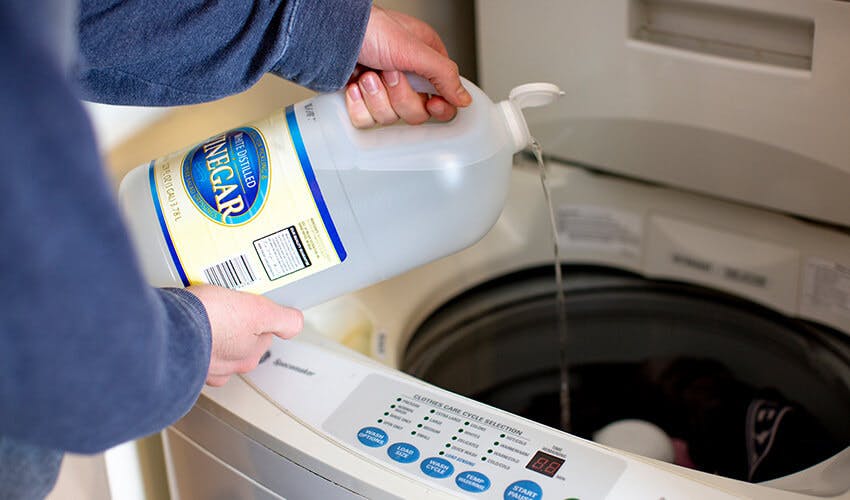
Most of the washing machine faults we attend were avoidable. Not the worn bearings on an old machine, but the smells, the not-draining, the water on the laundry floor. Those usually trace back to maintenance that never got done. None of it takes long. Here is what to do and how often.
Do washing machines need servicing?
Not a scheduled service by a technician, the way a car does. What a washing machine needs is a short list of owner jobs done on a routine: the drain pump filter every couple of months, the door seal wiped most days, the detergent drawer monthly and a hot empty wash monthly. Do those and there is nothing for a technician to service.
Where a technician comes in is when a symptom appears despite the upkeep, such as a machine that will not drain, leaks, smells after a hot wash, or rumbles on spin. Those are faults, not maintenance, and they are what to book a repair for.
Clean the drain pump filter, every couple of months
This is the one that matters most. Front loaders have a small filter behind a flap at the bottom front of the machine that catches coins, hair clips, lint and the odd sock. Let it clog and the machine struggles to drain, which is behind more service calls than almost anything else. Bosch recommends clearing the fluff filter every two to three months. Put a towel and a shallow tray down first, because water will come out.
If yours is already not draining, we walk through it in what to check when a machine will not drain or spin.
Wipe the door seal after washing, most days
On a front loader, water and gunk sit in the folds of the rubber door boot seal, and that is where the musty smell starts. Consumer NZ notes that manufacturers recommend wiping the bottom of the seal after each wash to mop up the leftover water. Leave the door ajar between washes so the drum dries out instead of sitting damp.
Clean the detergent drawer, monthly
Detergent and softener build up in the drawer and turn into a slimy residue that grows mould. Most drawers pull right out. Give it a rinse under the tap and a scrub every month or so, and clear the little recess it sits in while you are there.
Run a hot maintenance wash, monthly
Washing cold all the time lets a film of detergent, oils and bacteria build up in the drum, which is the other half of the smell problem. An empty cycle on the hottest setting once a month clears it out. LG's maintenance guide sets out the same routine: filter every six months, lint filter every few washes, and a regular hot cycle. If your machine already smells, we have a full method in clearing the smell from a front loader.
Don't overload, and don't overdose the detergent
Two habits quietly wear a machine out: cramming the drum so the motor and bearings work harder than they should, and tipping in far more detergent than the dose line. Excess detergent does not rinse away, so it feeds the residue and mould. Less is usually plenty.
Keep on top of these and most machines run trouble-free for years. If yours is leaking, smelling or refusing to drain despite the upkeep, our washing machine repair page has the detail, or book a repair or call 02 4229 3777.