Rangehood gone weak? It's usually the filters, not the motor
Written by Jozo, Lead technician
Updated
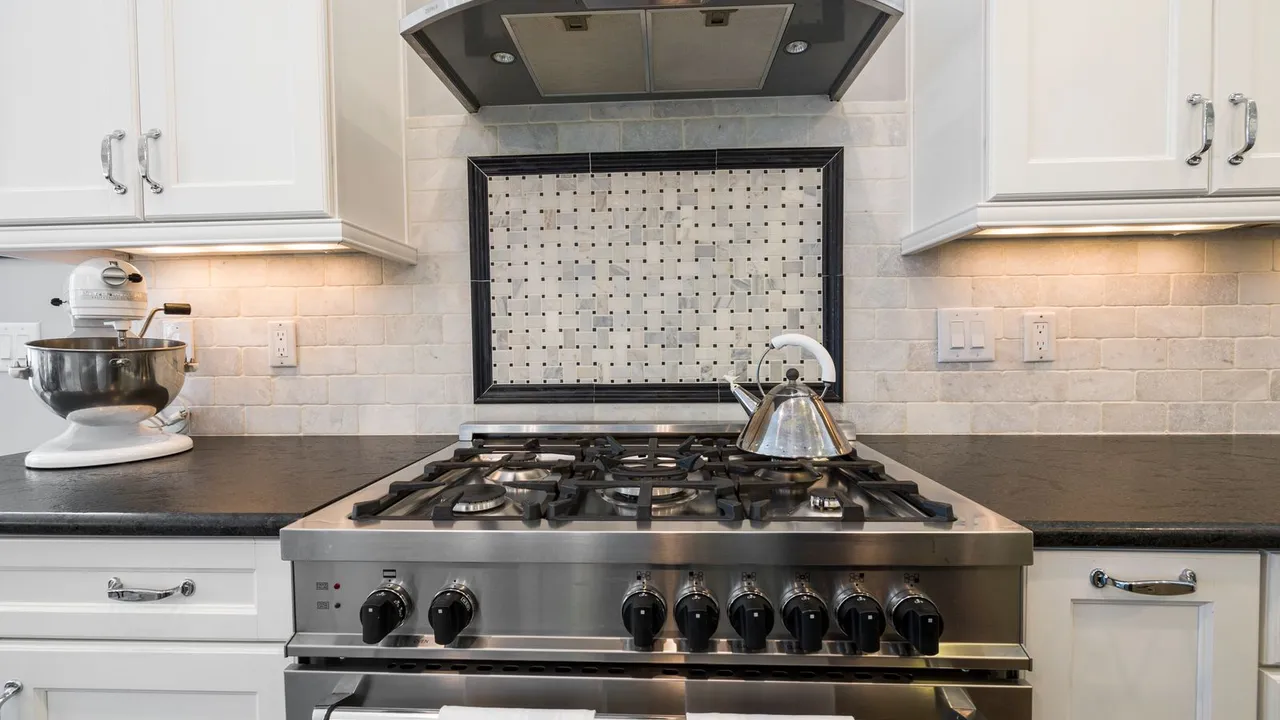
A rangehood is the appliance people forget about until the kitchen starts smelling of every meal from the past week. The fan sounds like it is running, but the steam sits over the pot and a greasy film has crept onto the cupboard doors above the stove. Most people assume the motor is on the way out.
It usually is not. It is the filters.
Weak extraction is nearly always grease
The metal filters under a rangehood catch airborne grease so it does not coat the fan and the ducting. They do that job by getting clogged, and once they are packed solid the air can barely get through. The fan spins as hard as ever and shifts next to nothing.
Pull the filters out. The aluminium mesh ones and the stainless baffle type both come out by hand, usually with a little spring catch. Soak them in hot water with a good squirt of dishwashing liquid, or run the mesh ones through the dishwasher on a hot cycle. CHOICE has a clear step-by-step on cleaning a rangehood and its filters if you want to do it properly. Do it every few weeks if you cook a lot, and a good half of the "my rangehood is broken" calls sort themselves out for the price of some detergent.
While the filters are out, check the flap where the duct leaves the wall or the roof on a ducted hood. It can stick shut with grease, and if it will not open the air has nowhere to go, no matter how clean the filters are.
There is a fire reason to stay on top of it, too
Grease that builds up in the filters and the ducting is not just a smell problem. It is fuel sitting directly above a cooktop. Fire and Rescue NSW rank cooking among the leading causes of home fires, and they are blunt about the fix: keep the rangehood and its filters clean of grease. A clean hood pulls better and it is a good deal safer.
When it actually is broken
Once the filters are clean and the flap moves freely, if the suction is still gone, then it is worth a proper look.
A motor that hums but will not spin, or is dead across every speed, is the motor or its capacitor, and that is a real repair. Lights that have died can be the globe, the driver or the switch. Touch panels and push-button controls both wear out in the hot, greasy spot right above the stove, so speeds that stick or change on their own point at the switch or the control board. A rattle or a vibration is usually worn motor bearings or a fan wheel caked unevenly with grease, and that is worth chasing early, before the imbalance wears the bearings out.
Salt air makes it worse near the coast
If you are anywhere near the beach, from the northern villages like Thirroul and Austinmer down the line, salt in the air is hard on exposed steel. It corrodes rangehood grilles and mountings and wears the moving parts faster. That is not a scare tactic, it just means a coastal hood tends to need its worn part replaced a bit sooner than the same unit would inland.
Ducted, recirculating and slideout hoods behave differently
Not every rangehood fails the same way, and the type you own changes what to check. A ducted hood sends air outside through a duct, so a blocked duct, a stuck flap or a crushed section of flexible pipe is a common reason for weak extraction. A recirculating hood has no duct. It pushes air through a charcoal filter and back into the kitchen, and that filter wears out and needs replacing on a schedule, so a recirculating hood that has lost its edge may only need a new carbon filter, which is a part you can usually order by model number. A slideout or undermount hood is a compact version of the same thing and tends to have thin filters that clog quickly.
If you are not sure which you have, look at the top. A duct leaving through the ceiling or wall means ducted. If the hood sits against the wall with a vented grille near the top and nothing leaving the building, it recirculates.
A cleaning routine that works
Filters first, then the surfaces. Wash the metal filters in hot water and dishwashing liquid, and let them dry fully before refitting. Wipe the underside of the hood, the fan blades if you can reach them, and the surrounding cupboards with a degreaser. Do not spray cleaner into the motor housing or the control panel. On a hood that is used daily, a monthly wash is a fair rhythm. On one used a few nights a week, every couple of months is enough. If the water runs brown and thick, you have left it too long.
A useful habit is to turn the hood on a minute before you start cooking and leave it running for a few minutes afterwards. That draws steam away while it is still rising and clears the last of it from the kitchen.
A worked example from the top of the hood
Take a hood that has not been cleaned for a year. The filters come out as a solid mat of grease, the flap in the duct is jammed half shut and a brown film has settled on the cupboard doors above. Clean the filters, free the flap and the hood pulls like new. No parts, no call-out. Now take the same hood where the filters are clean, the flap moves and the motor hums without turning. That is a failed motor or capacitor, and that is a repair. The difference is knowing which stage you are at, which is why we always tell people to do the free checks first. If you need us, the assessment is $125 across the Illawarra and $145 further out on the South Coast, with a quote before any work begins and a 3-month guarantee on workmanship.
Cooktop and rangehood together
A rangehood and a cooktop share a bench, a cutout and often a circuit, so a fault in one can look like a fault in the other. If the hood light and the cooktop both go out at once, check the breaker and the isolator before either appliance. We are authorised on 16 brands, including Bosch, Smeg and Westinghouse, and a single visit can deal with both if they both need attention. Our guide to repairing versus replacing an appliance is a good read if the hood is old and the part is dear.
Getting it sorted
If the filters are clean and it still will not pull, or the motor, lights or controls have packed it in, we repair rangehoods on every major brand across the Illawarra and South Coast, and we handle the matching cooktop when both are playing up. A technician finds the fault and quotes before starting. The assessment fee is $125 across the Illawarra and $145 further out on the South Coast. Book a repair or call 02 4229 3777.