Appliance repair guides
Guides to common faults in household appliances. Each covers what to check yourself first, what is safe to try, and when it is time to book a repair.
Washing machines
E10 means the washer is not filling, E20 means it is not draining, and E40 means the door is open or not closed firmly. What to check safely and when to book a repairer.
Read the guide
Washing machines
That musty smell coming from your front-loader is fixable. Here's how to deep-clean the seal, drawer and drum, and keep the odour from coming back.
Read the guide
An OE code on an LG washing machine means the washer is not draining properly, while a UE code means the load is unbalanced. Check the load, levelling, drain hose and pump filter safely before booking a technician.
Read the guide
Washing machines
4C and 4E mean the washer is not filling, 5C and 5E mean it is not draining, DC is a door or lid fault and UE is an unbalanced spin. What to check and when to book.
Read the guide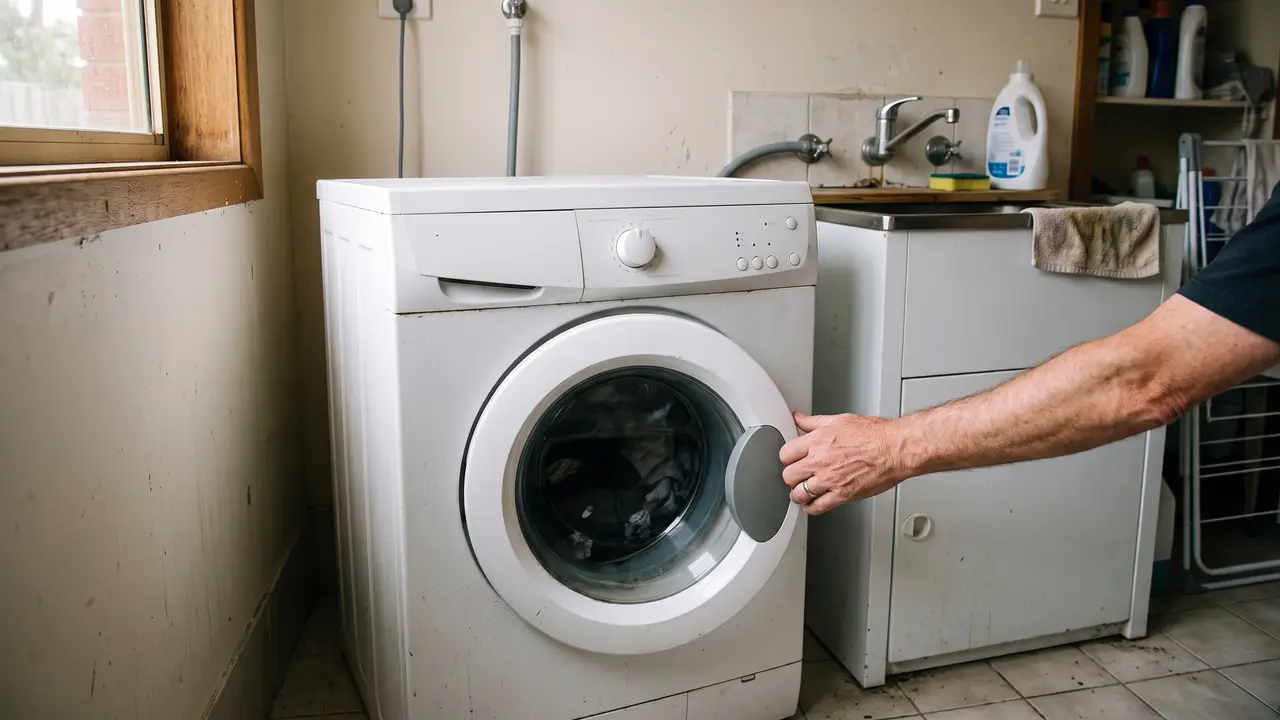
A front loader that has finished, or stopped, and will not let you at the washing. Nearly all of it is water still in the drum or a lock that is doing its job. Some of it is a broken handle, and the handle usually breaks because somebody pulled.
Read the guide
Washing machines
Thumping, grinding, rattling or a flat hum. Four different noises, four different faults, and one hand test that tells them apart before anybody takes a panel off.
Read the guide
Washing machines
Foam pushing out of the drawer or the door is nearly always too much detergent or the wrong kind. Here is how to clear it, and the signs that point to a fault instead.
Read the guide
Washing machines
A leaking washer can come from the hoses, the door seal, the detergent drawer or the pump. Here's how to track down where the water is really coming from.
Read the guide
Washing machines
A washer that leaves clothes soaking wet is usually a drainage or balance issue. Here are the common causes and what you can safely check yourself.
Read the guide
Washing machines
A washer that ignores the start button is waiting on power, a closed door or lid, or a signal from a part that has failed. The first three take a few minutes to rule out at home.
Read the guideDishwashers
E24 and E25 are drain faults, E22 is a filter fault and E15 is the leak protection. What each Bosch dishwasher code means, what you can check safely and when to book.
Read the guide
Standing water in the bottom of your dishwasher usually points to a blocked filter, hose or pump. Here's how to track down the cause and clear it.
Read the guide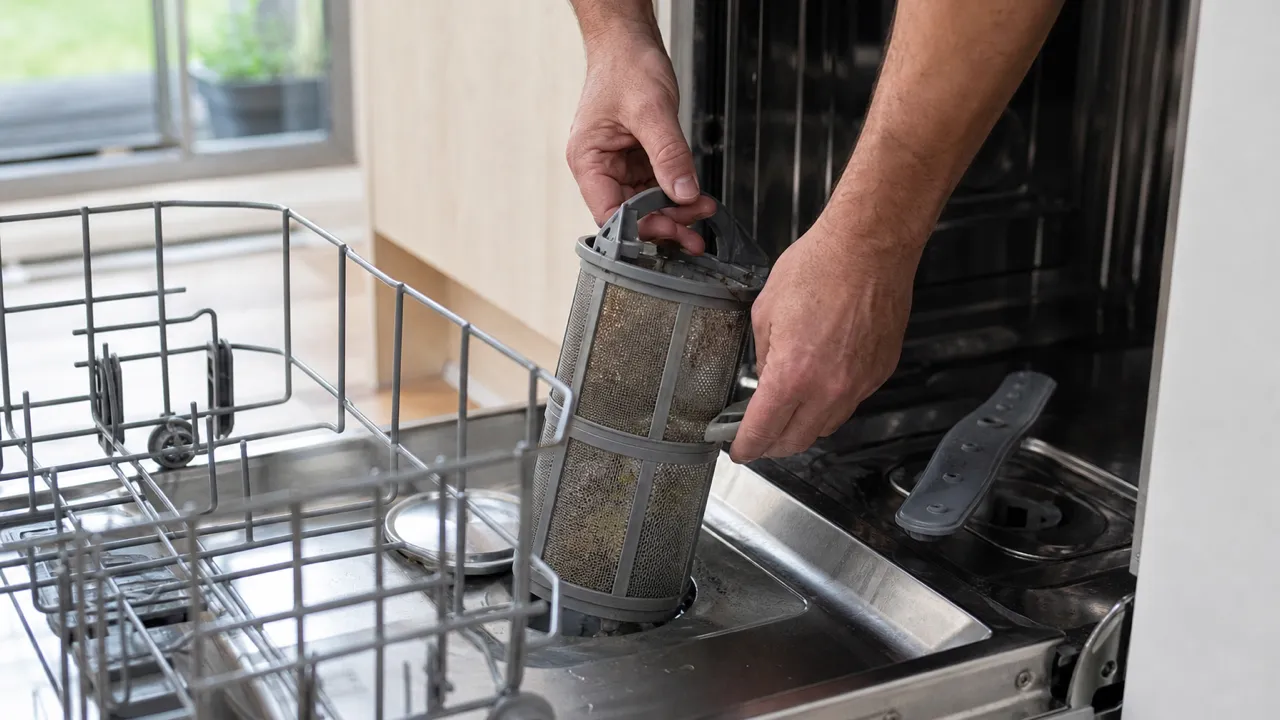
A dishwasher that stinks is almost never broken. It is holding onto food somewhere, and there are only about four places it can hide.
Read the guide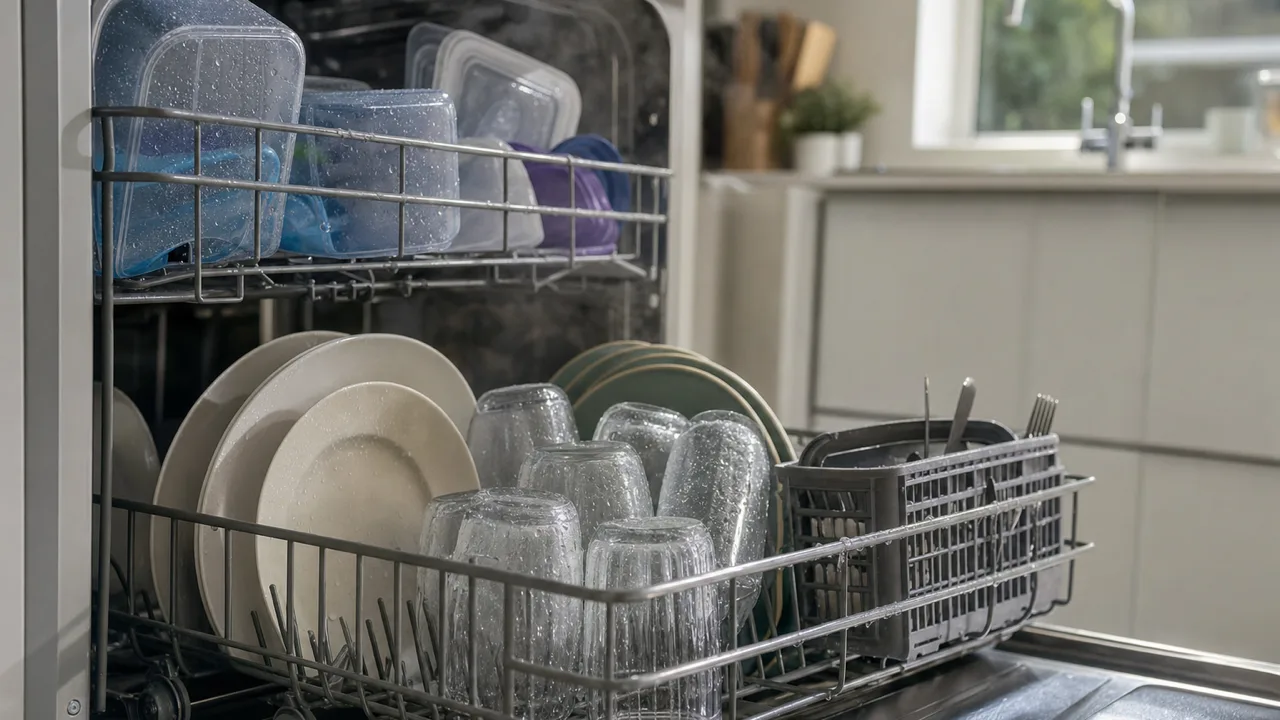
Most machines sold in the last decade have no drying element at all. Once you know that, half the wet-dishes complaints stop being a fault and start being a habit.
Read the guide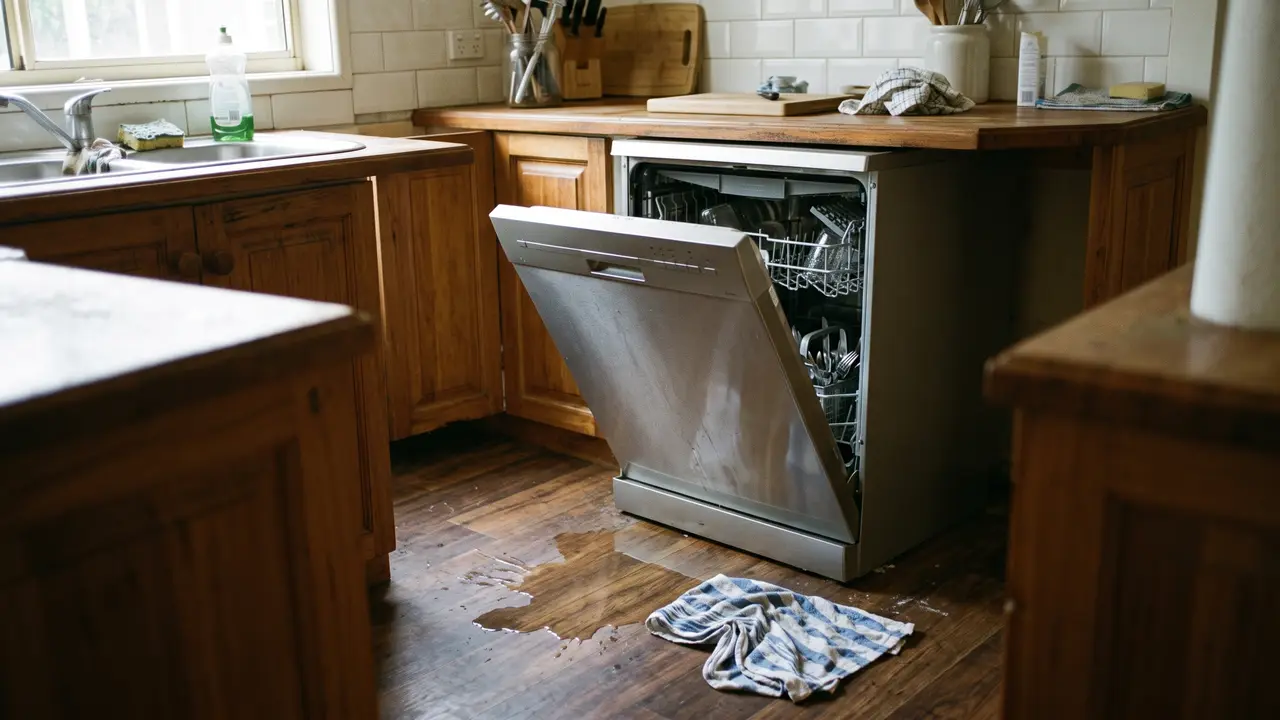
A puddle in front of the door, a damp patch at the side, or a wet cabinet floor that nobody noticed for a month. Each one points at a different part, and the puddle in front is the one you can usually sort yourself.
Read the guide
Dishes coming out gritty, filmy or still dirty? The fix is usually spray arms, filters or loading habits, not a new dishwasher. Here's what to check.
Read the guideDryers
A dryer that runs but won't heat, or takes two cycles to dry a load, is usually choked by lint or has a failed element. Here's what to check.
Read the guide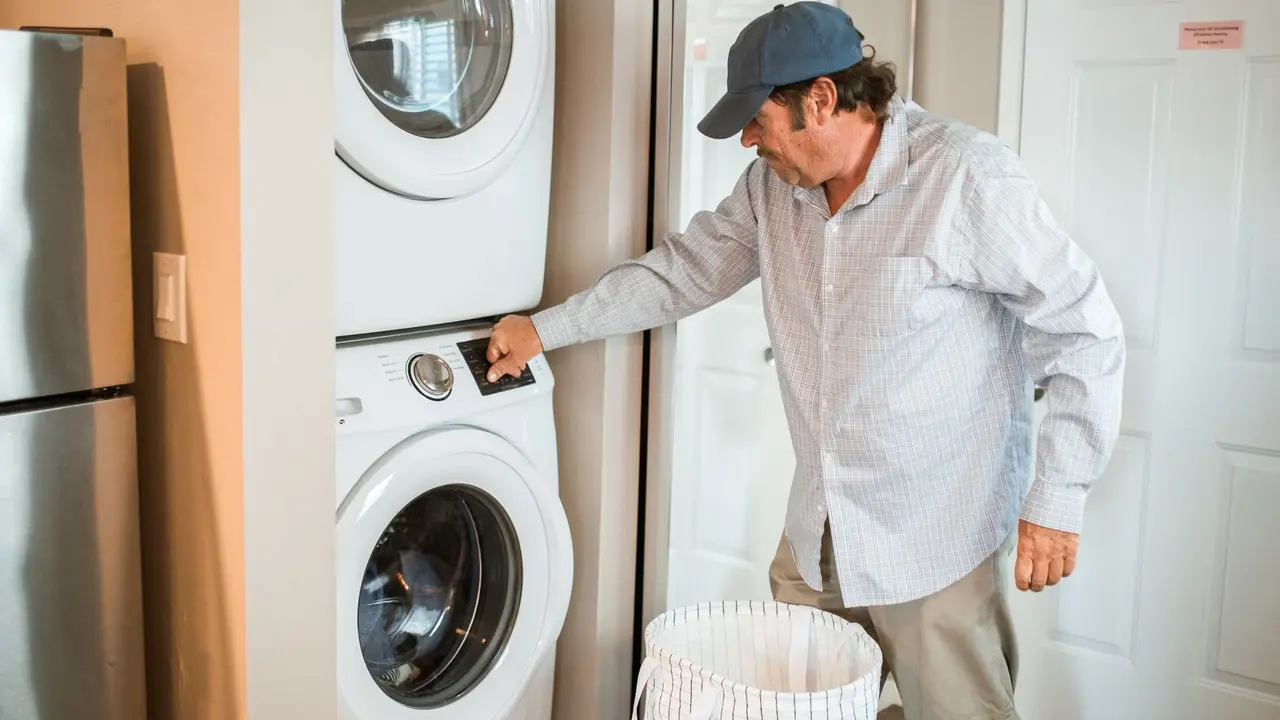
A dryer that does nothing when you press start has lost power, a closed-door signal or its motor. The first two take a couple of minutes to rule out, and the rest are parts a technician replaces.
Read the guide
A dryer that hums with a dead drum is almost always mechanical rather than terminal. Spin the drum by hand and it tells you most of what you need to know.
Read the guide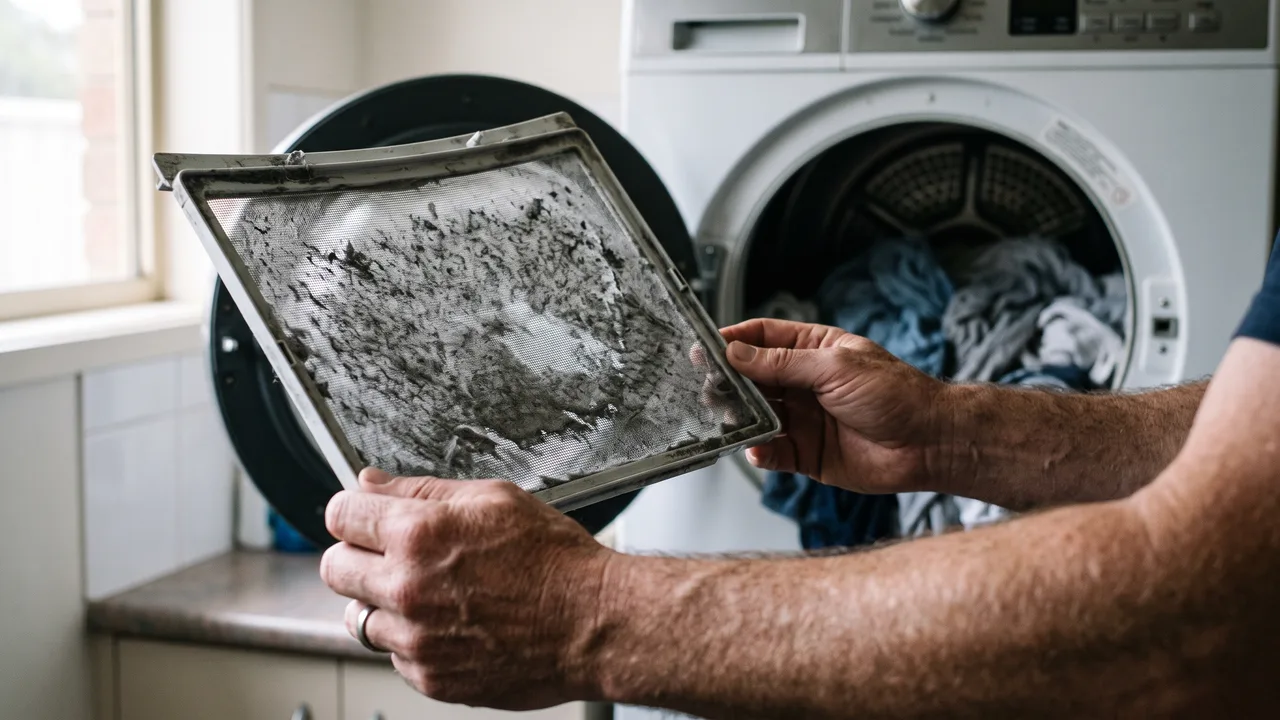
Damp, sour, burning or oily. Where the smell is tells you more than what it smells like, and one of them means stop using the machine tonight.
Read the guide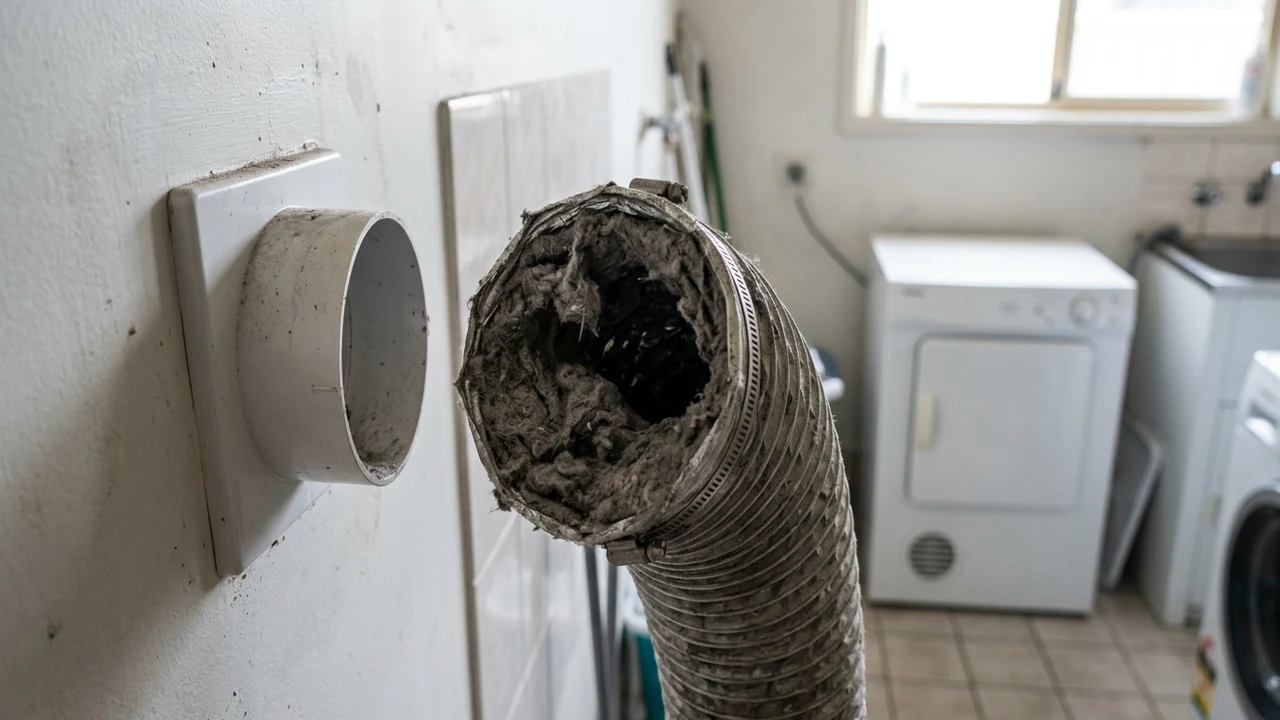
A thermal fuse that blows once is a safety device doing its job. One that blows again a few weeks after replacement means the airflow problem was never fixed.
Read the guideFridges and freezers
Fridges and freezers
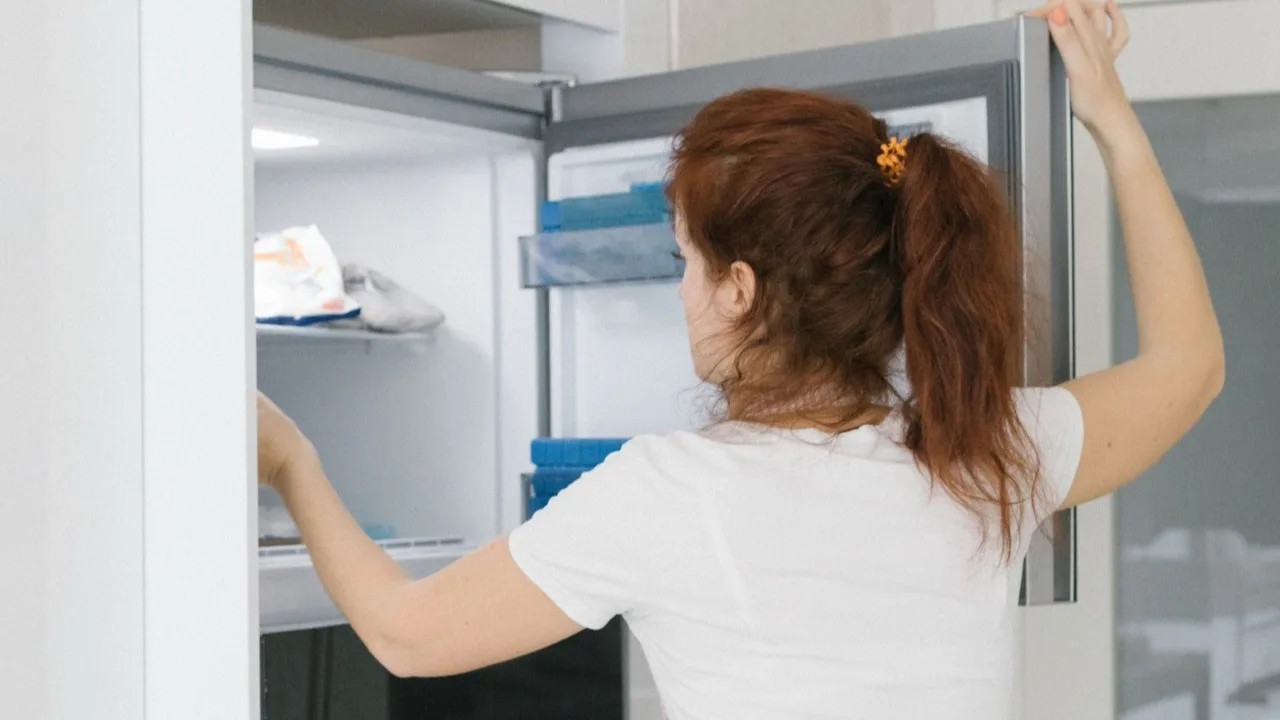
Ice everywhere or no ice at all tells you two completely different stories. Here is how to work out which fault you have got before the food goes off.
Read the guide
Fridges and freezers
When the freezer is fine but the fridge section is warm, the cause is usually airflow, not a dead compressor. Here's what to check before you call for a repair.
Read the guide
Fridges and freezers
A tired door seal makes the fridge sweat, ice up and run all day. The paper test tells you in a minute, and here is what a new seal is actually worth.
Read the guide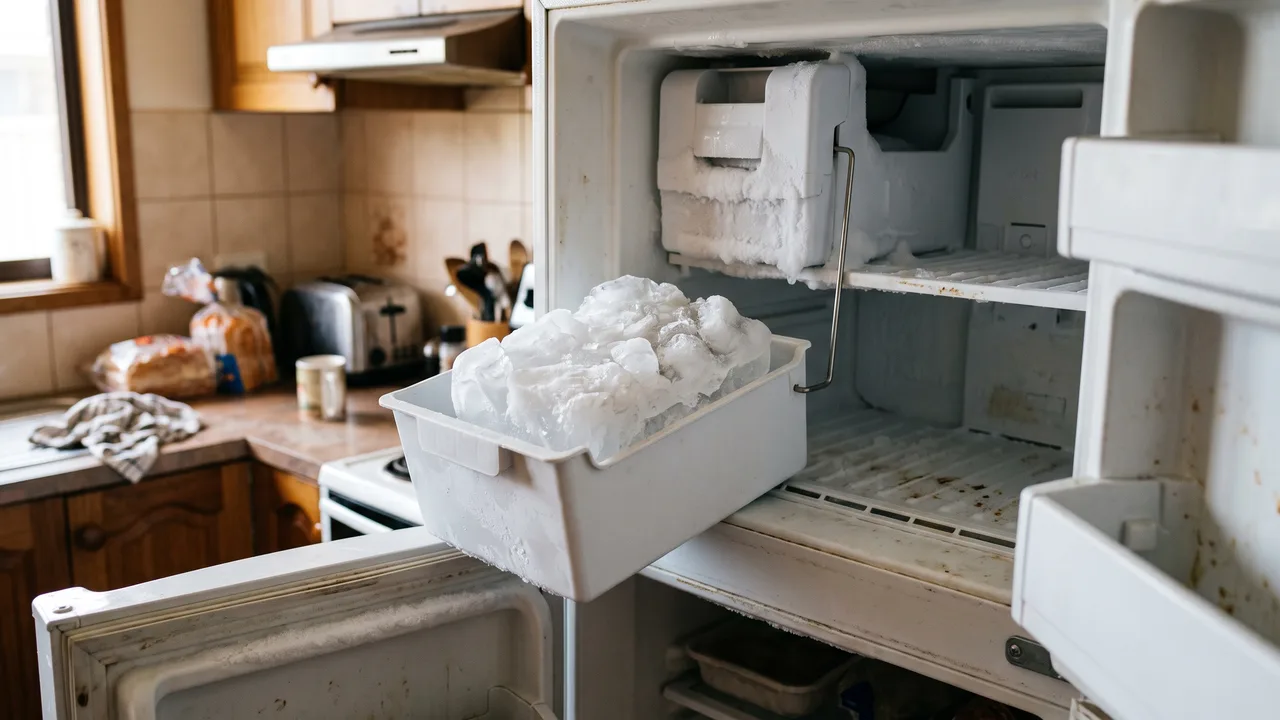
Fridges and freezers
No ice, a dispenser that has slowed to a dribble, or water on the floor behind the fridge. Most of it is the filter, the freezer temperature or a frozen fill tube, and only some of it is worth paying anyone for.
Read the guide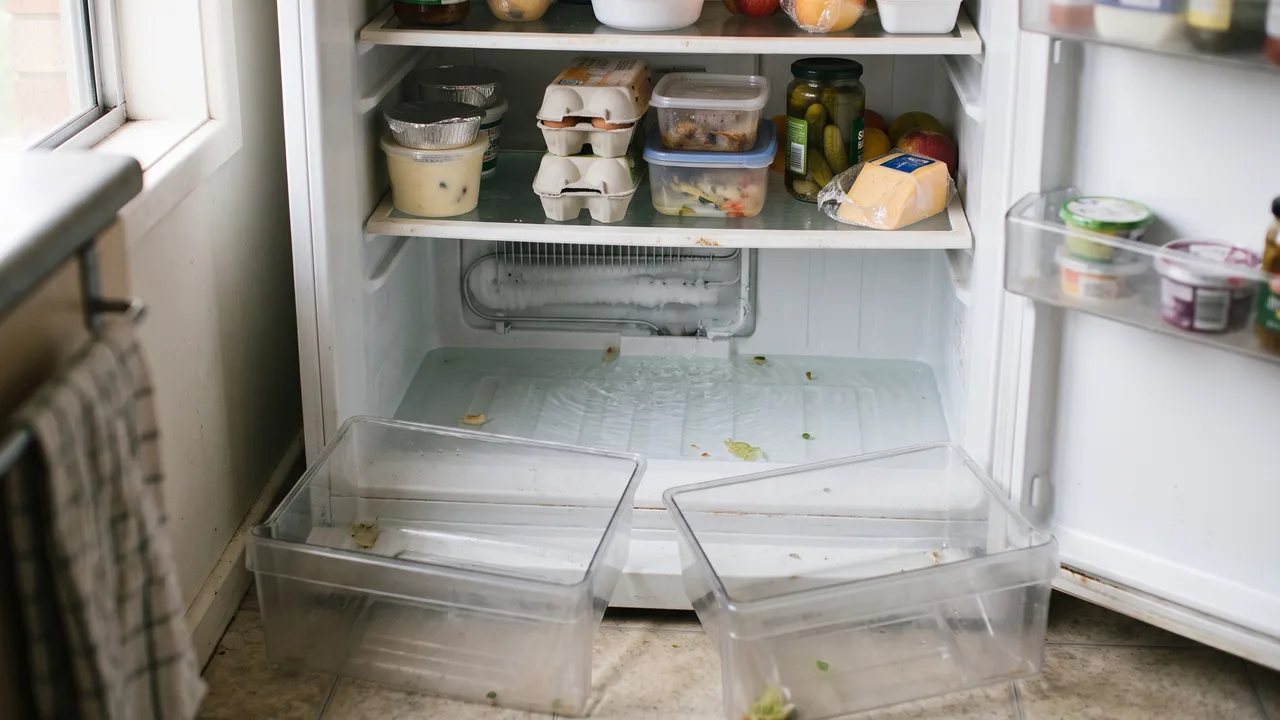
Fridges and freezers
A fridge that pools water inside is usually not leaking at all. It is failing to drain melt water it was always going to make, and the fix is often a cup of warm water.
Read the guide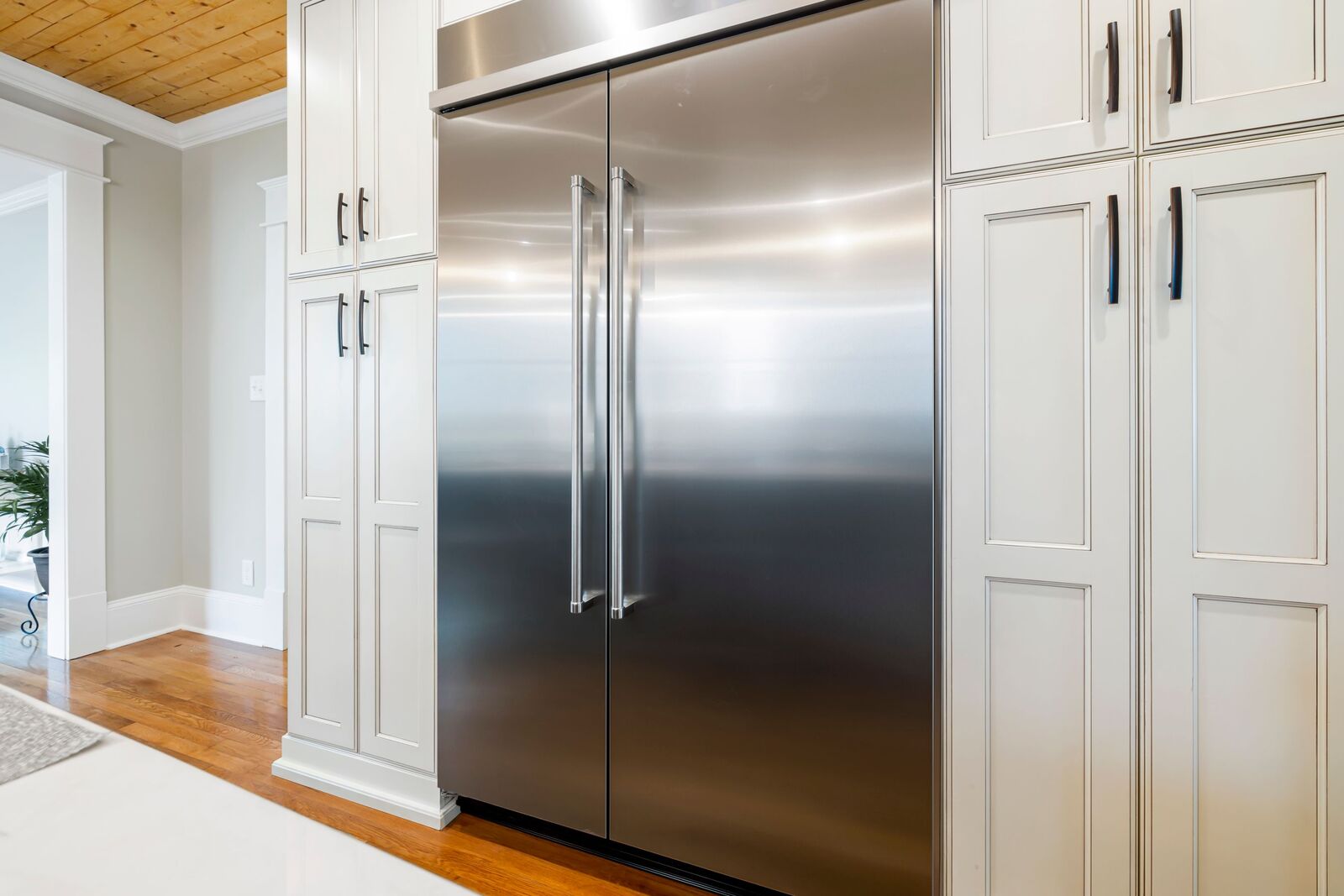
Fridges and freezers
Buzzing, humming, clicking or rattling? Some fridge noises are normal and some are a warning. Here's how to tell the difference and what to do.
Read the guide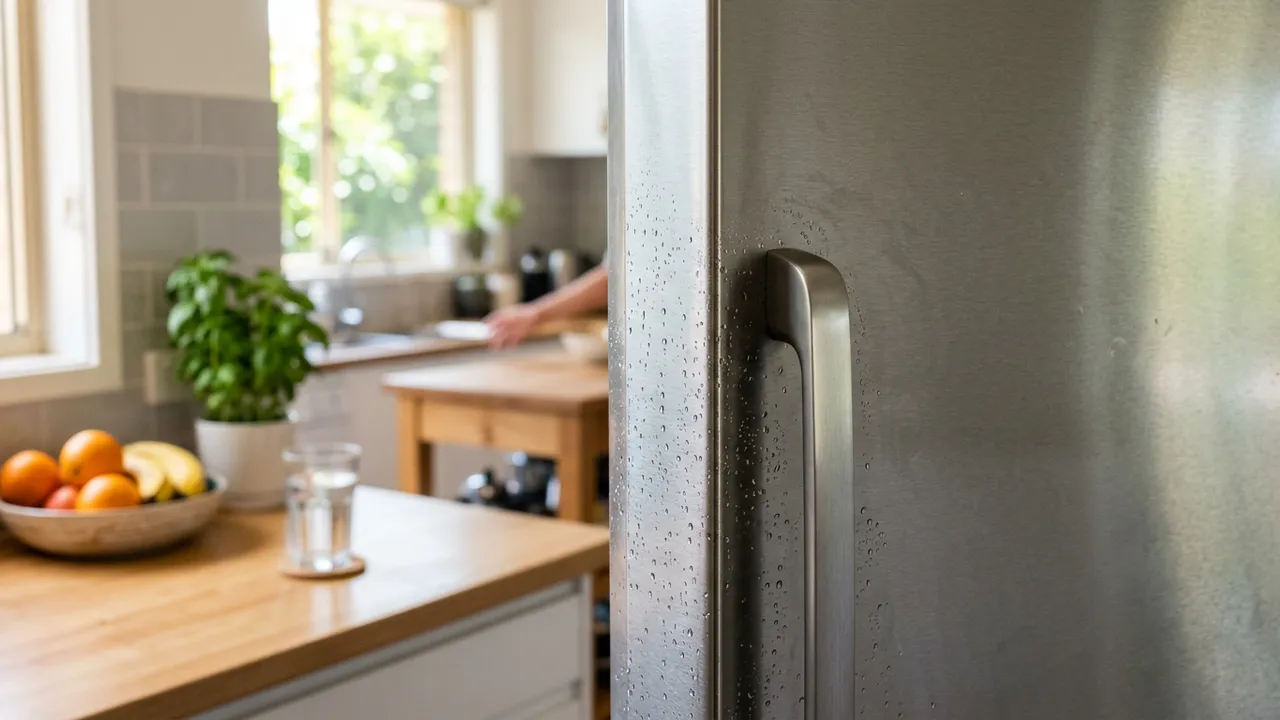
Fridges and freezers
Moisture on the outside of a fridge is usually humid air meeting a cold cabinet, a door seal that is not closing, or a fridge with no room to breathe. How to tell normal sweating from a fault.
Read the guideOvens
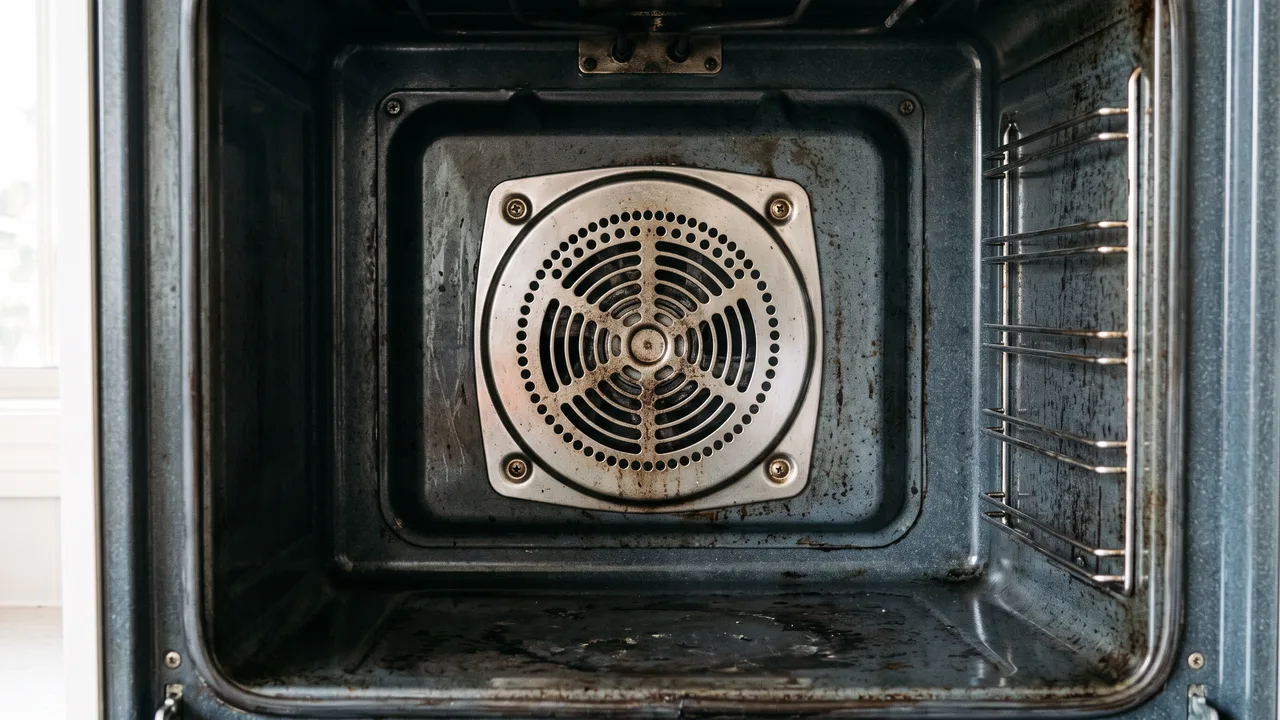
A grinding fan, a rhythmic scrape or a fan that will not switch off are three different faults. Here is how to tell them apart before you book anything.
Read the guide
An oven that won't heat, or won't hold temperature, usually comes down to the element, igniter or thermostat. Here's how to tell what's going on.
Read the guide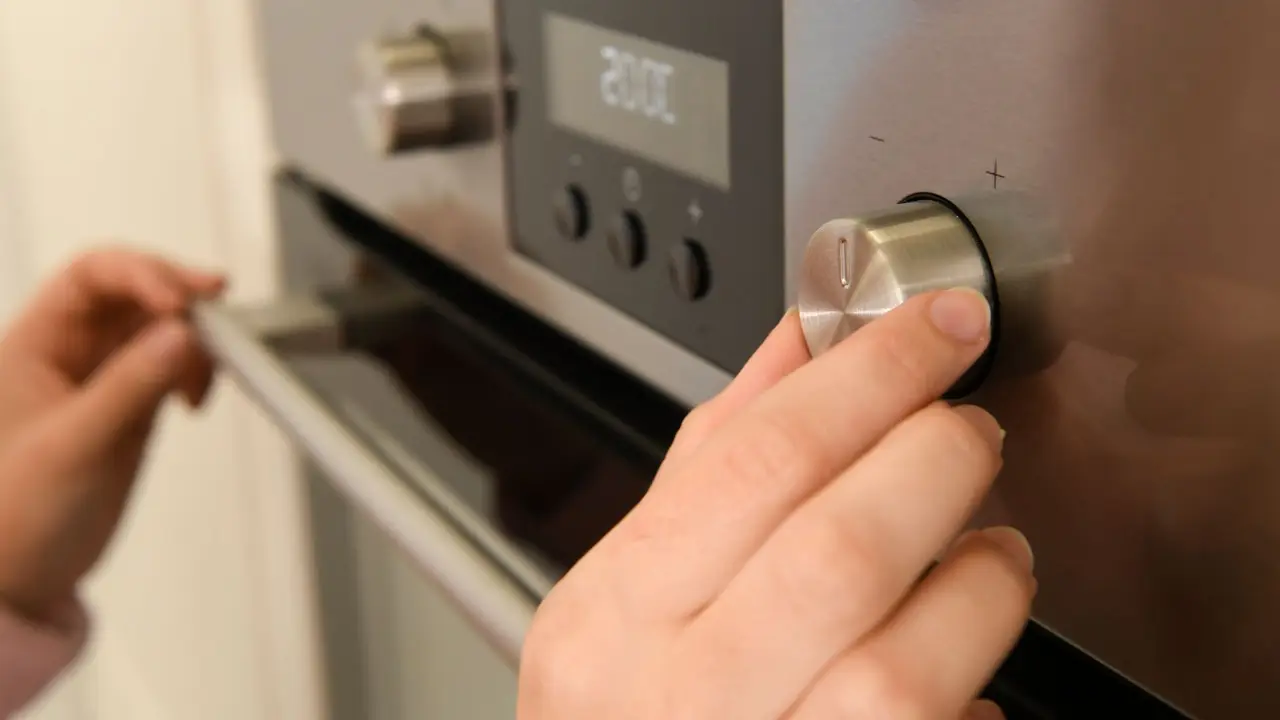
A dead display and no heat is different from an oven that lights up but stays cold. Check the power, the control lock and the timer before you book a technician.
Read the guide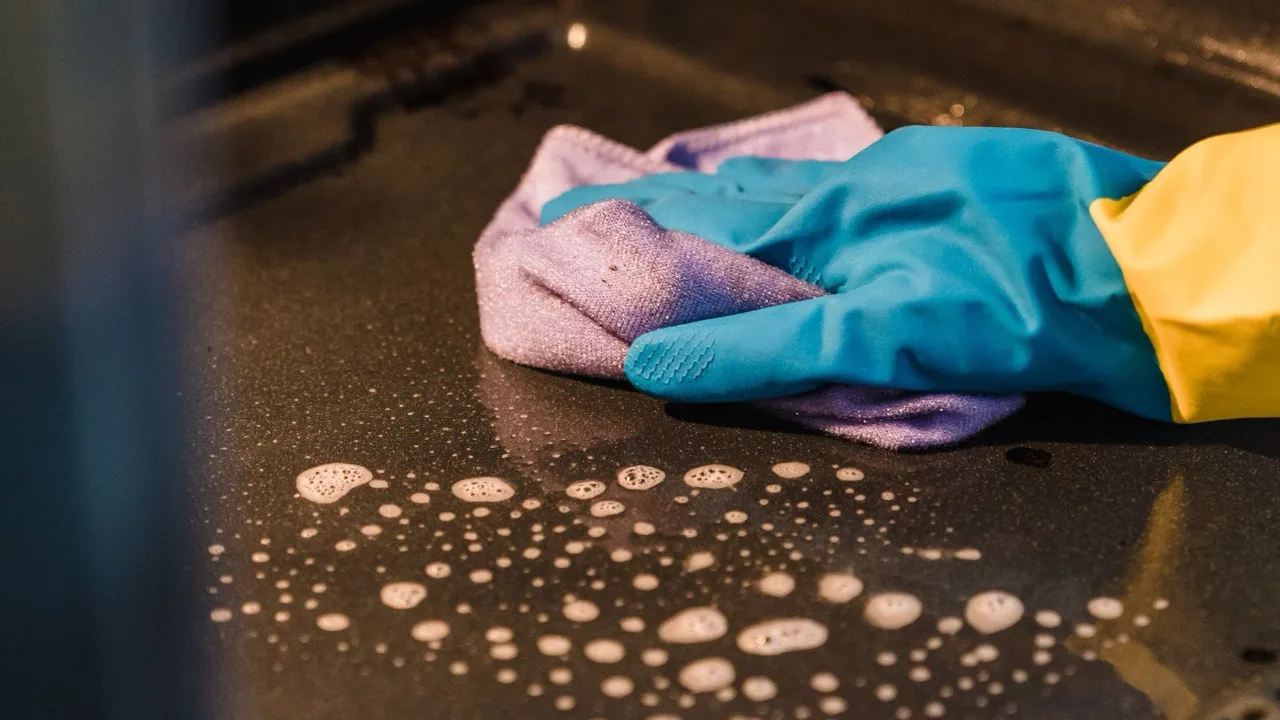
Pyrolytic cleaning is the hardest thing an oven ever does, so it is also when things let go. Why the door stays shut, why the cycle refuses to start, and why the oven can be dead afterwards.
Read the guideCooktops
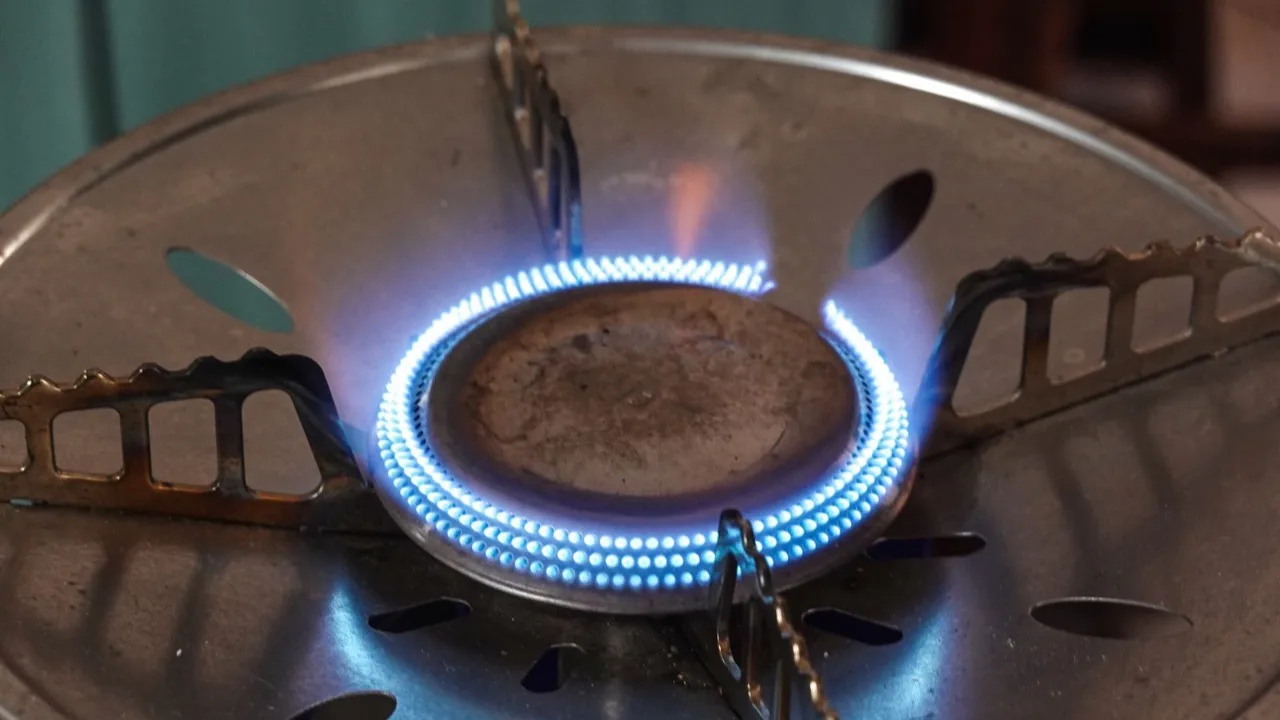
The clicking means the spark is fine. Nine times out of ten the burner cap is sitting crooked or the ports are blocked, and that part you can fix yourself.
Read the guide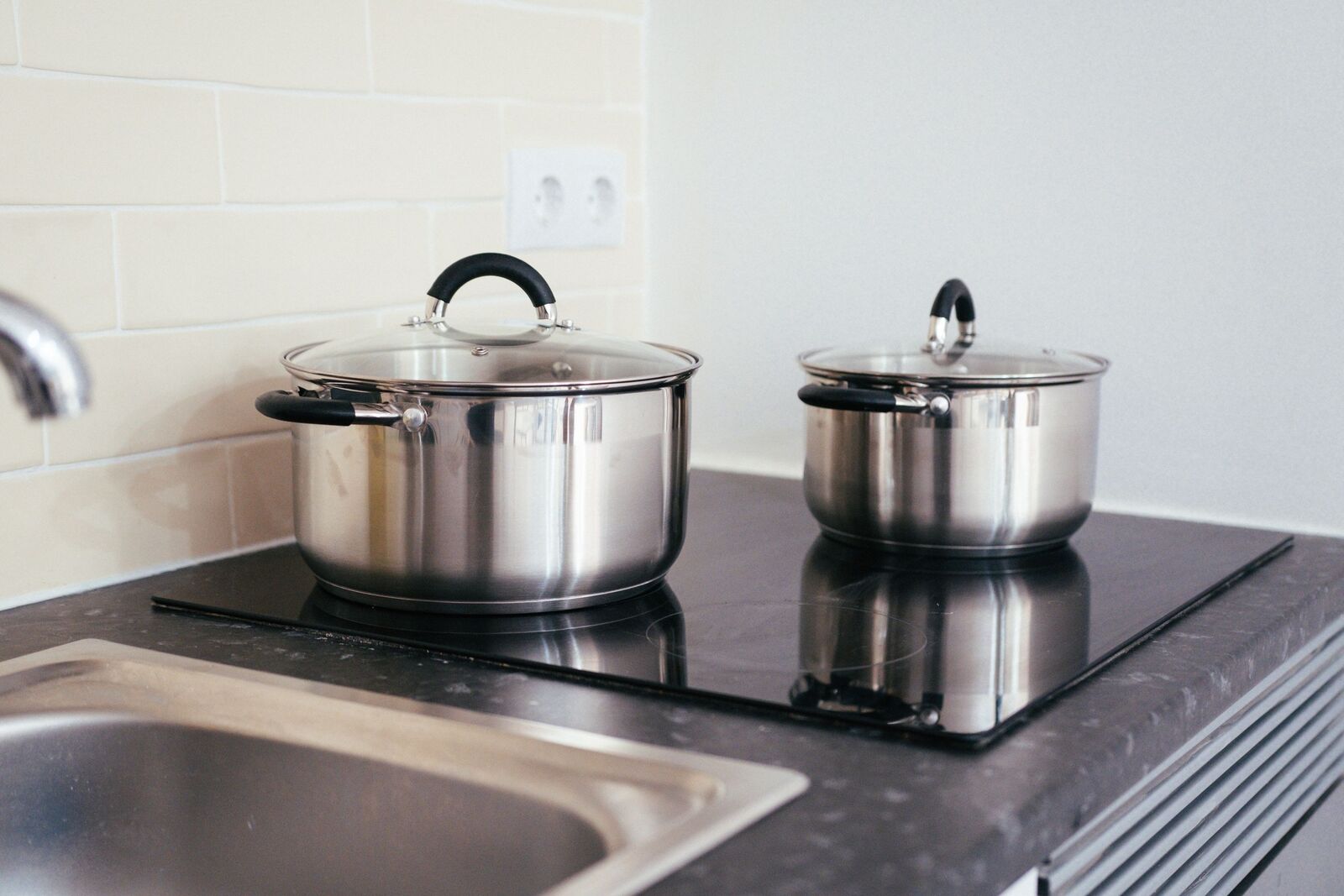
Induction cooktop not turning on, not heating or flashing an error? Often it's the cookware or a locked panel, not a fault. Here's how to check.
Read the guide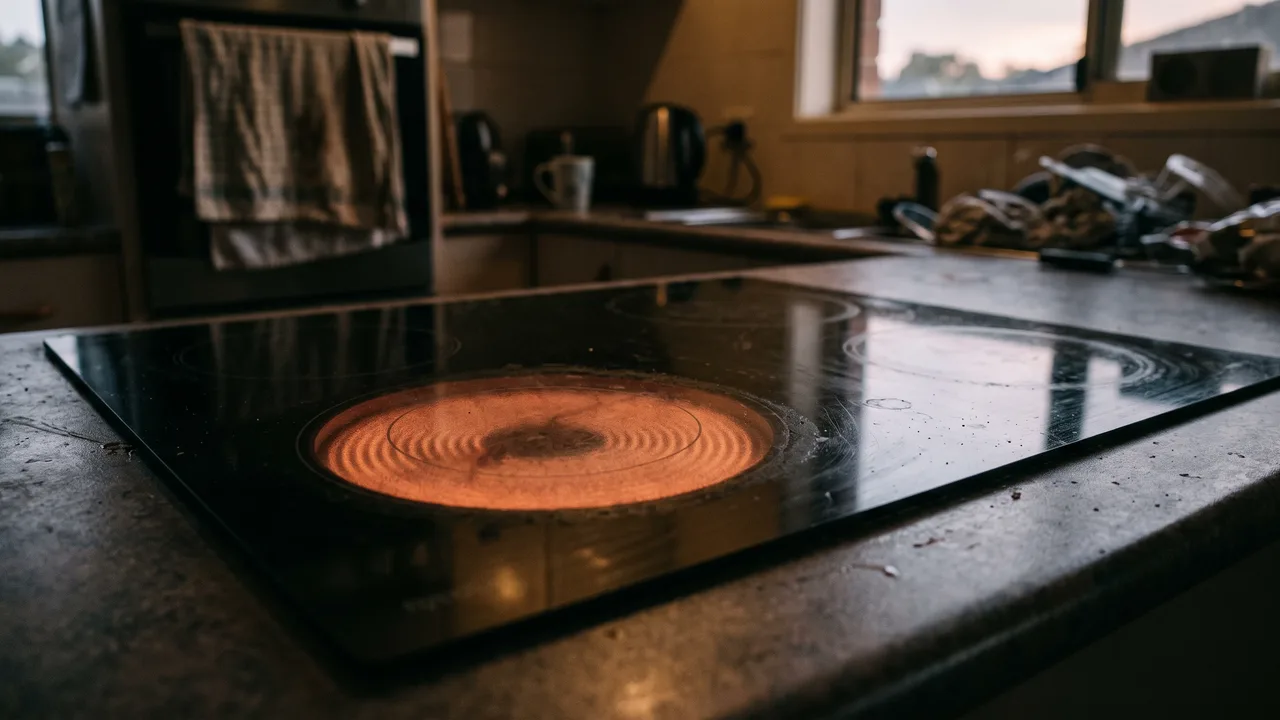
A radiant zone that stays cold, glows and then quits, or only ever gets warm. How to read what the glow is telling you before you spend anything, and why the switch is a better bet than the element.
Read the guideMicrowaves
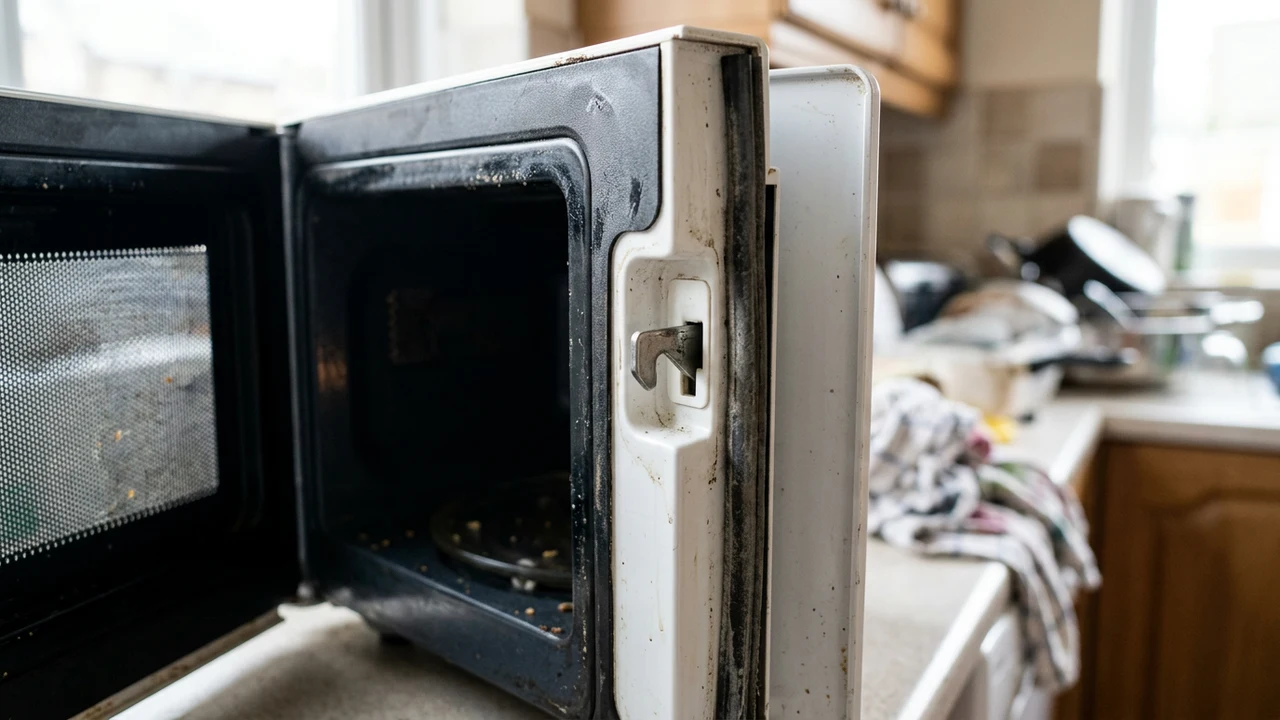
No display, no light, nothing when you press start. Before you assume the worst, it is nearly always a blown line fuse or a door interlock switch, and one of those is a five-minute check.
Read the guide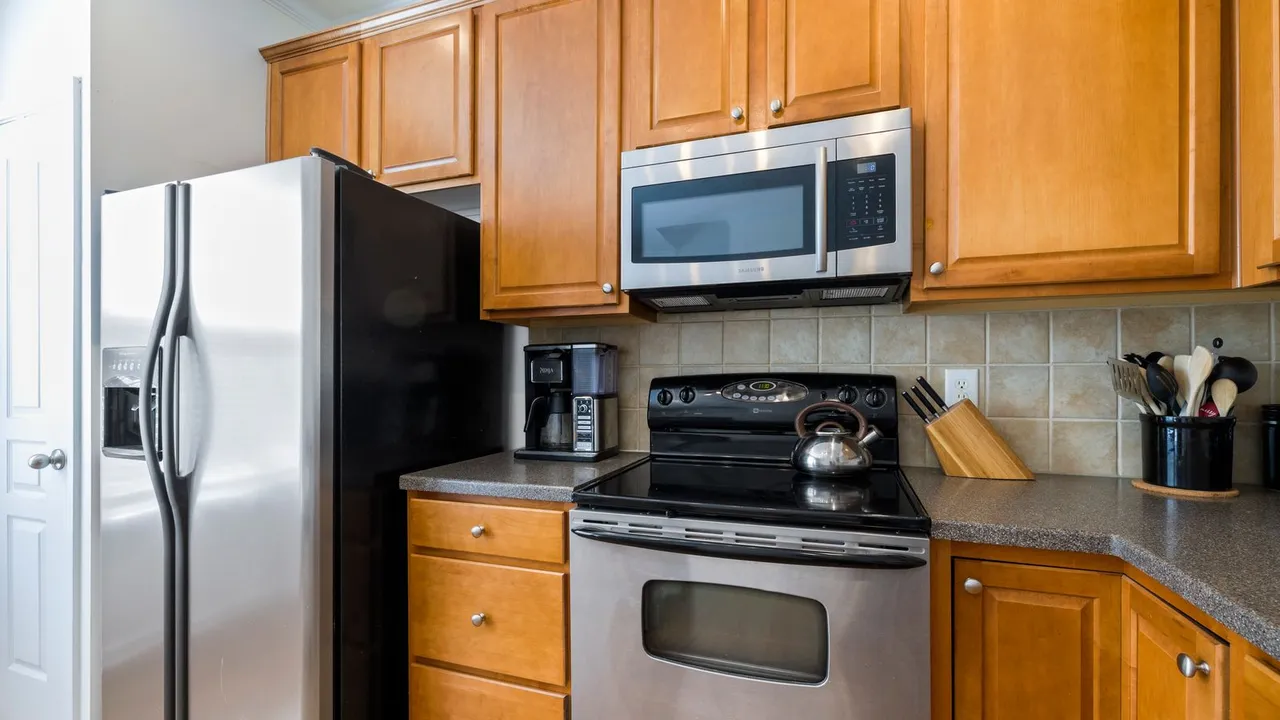
The plate spins, the light's on, the timer counts down, and dinner comes out cold. That points to the high-voltage side, and it is the one appliance we tell people not to open.
Read the guide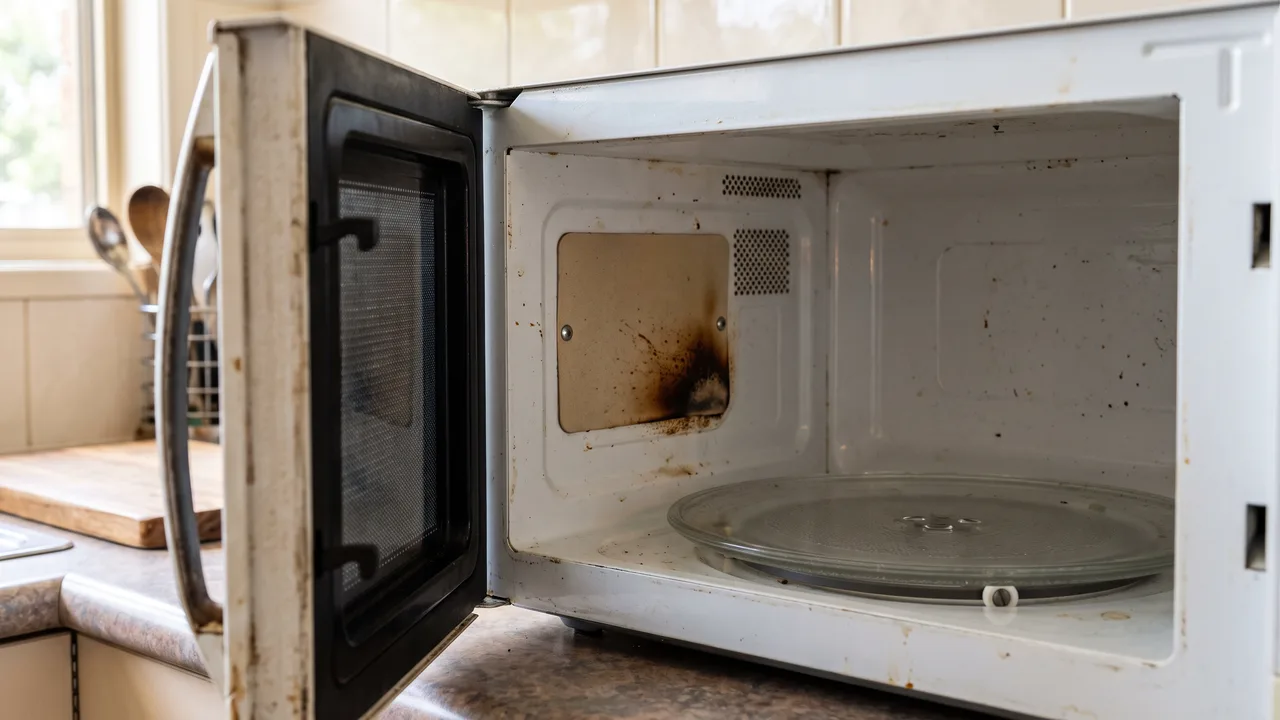
Flashes inside a microwave usually come down to one small panel on the wall, or something left in there that should not be. Here is how to tell which.
Read the guideA turntable that has stopped rotating leaves cold spots and a hot edge. The usual causes are a dislodged support ring, a worn drive coupling or a failed turntable motor, and the first two take a minute to check.
Read the guideRangehoods
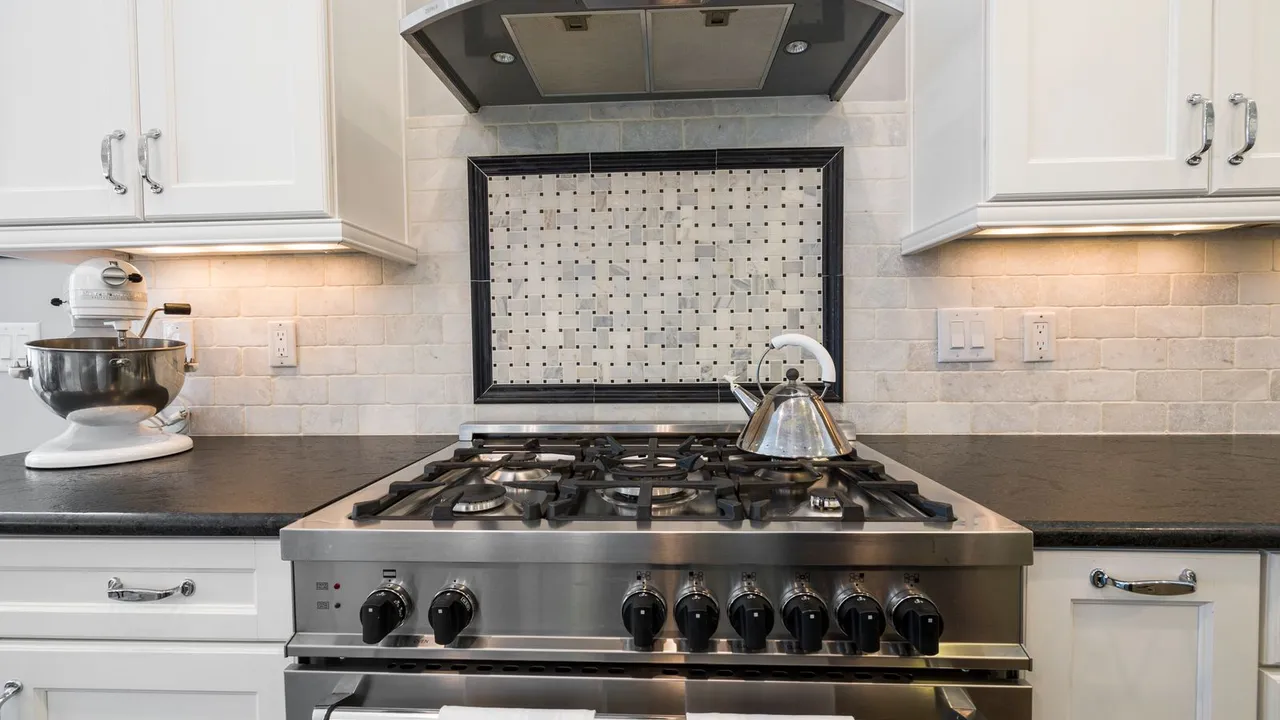
The kitchen holds last night's dinner, the windows fog and grease creeps onto the cupboards. Before you write off the motor, pull the filters out.
Read the guideGeneral advice
General advice
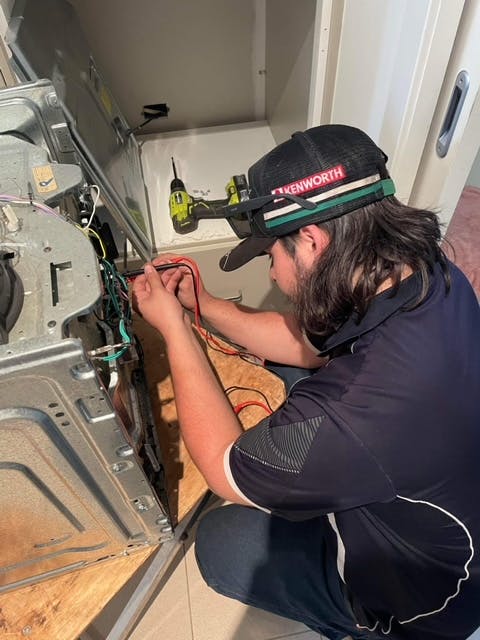
A handful of safe checks solve a surprising number of appliance faults. Here is what to look at yourself, and when it is time to book a repair.
Read the guide
General advice
For a plug-in appliance, it is a repairer's job, not an electrician's, and NSW licensing rules draw a clear line at the powerpoint. Here is how it works.
Read the guide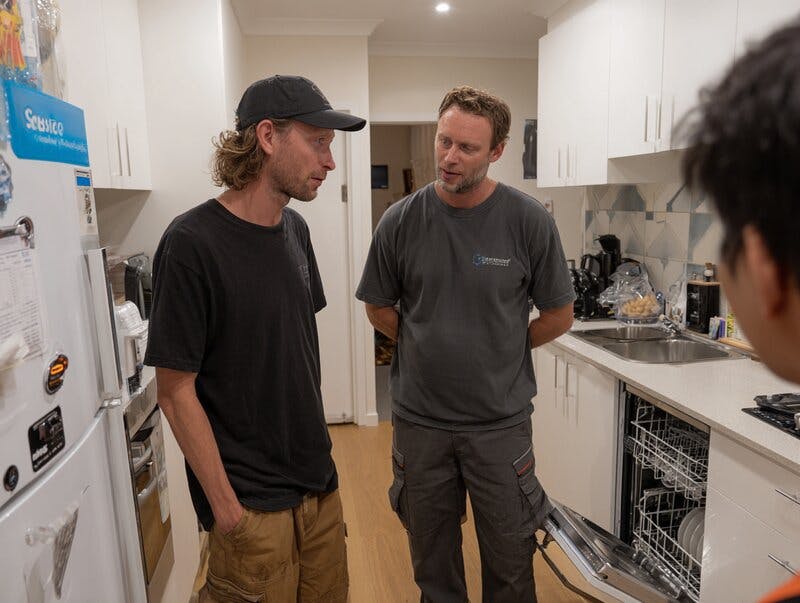
General advice
A broken appliance in a rental is often an urgent repair under NSW law. One call, we deal with the tenant, and you get a written report for the file.
Read the guide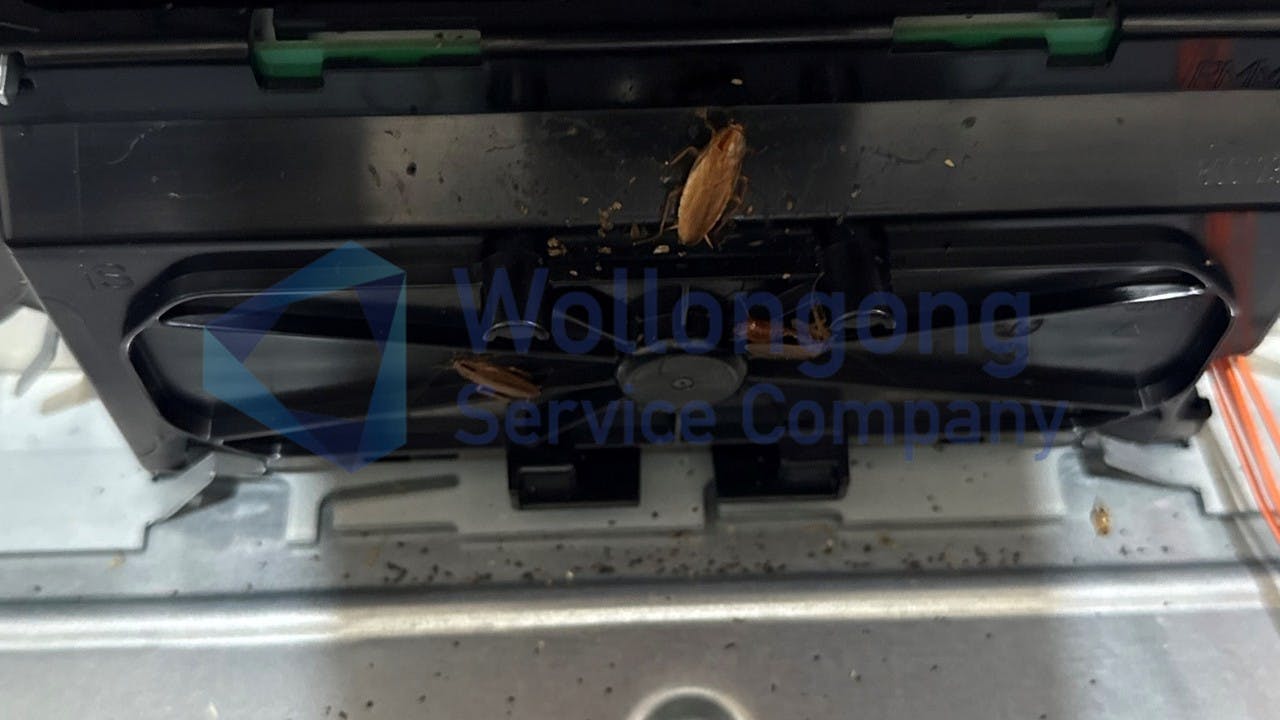
General advice
Cockroaches settle in dishwashers, washing machines and fridges for warmth, moisture and food scraps. Switch the appliance off at the wall, clean reachable seals and filters with hot soapy water instead of sprays, and call a licensed pest controller before booking a repairer.
Read the guide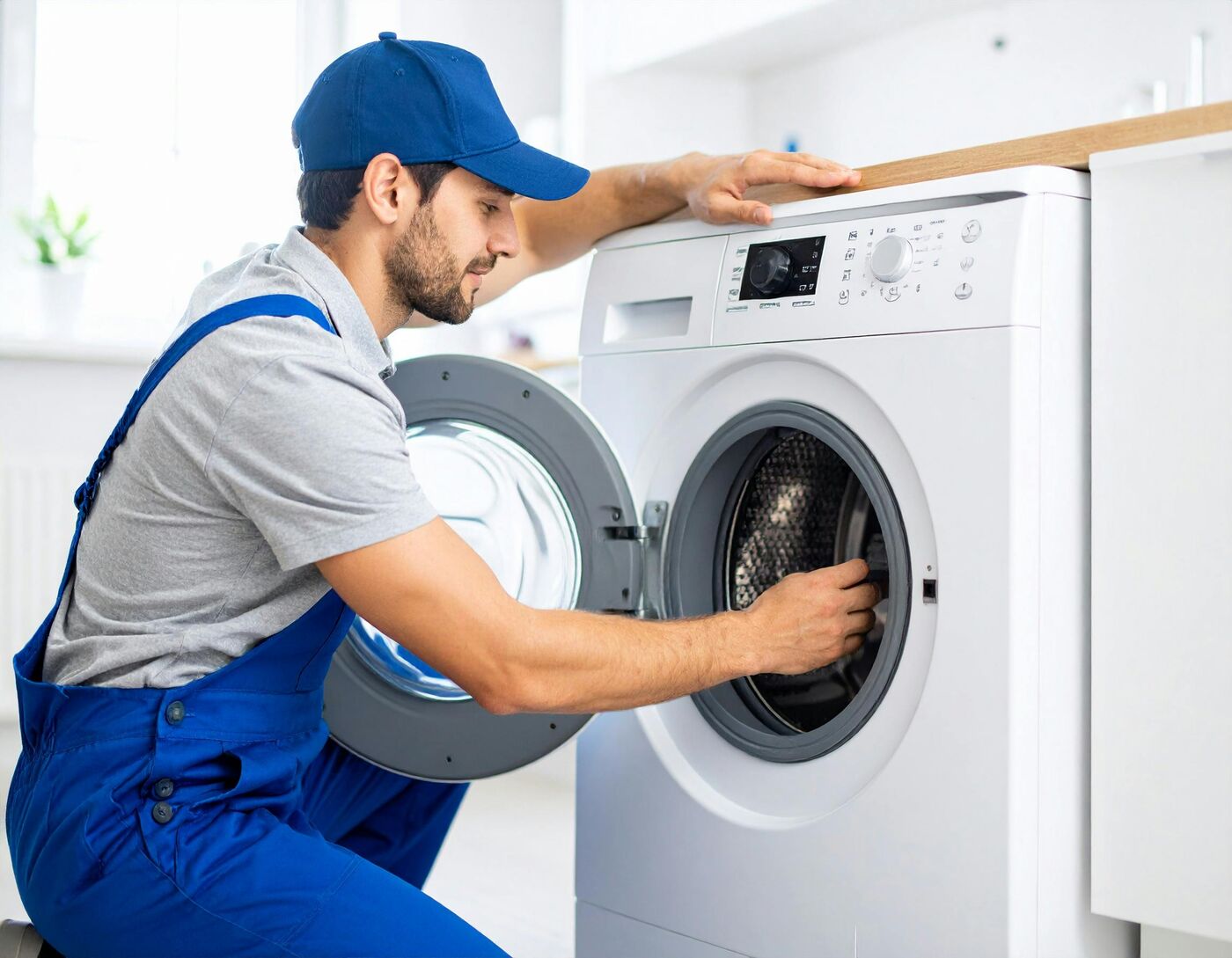
General advice
What actually separates a good appliance repairer from a poor one: turnaround, parts access, fixed fees, warranty on the work, and honest reviews.
Read the guide
General advice
For a washing machine, powder or liquid matters less than using a low-suds formula at the right dose. For a dishwasher, CHOICE lab testing favours tablets over powder and gel.
Read the guide
The 50 percent rule, how long appliances should really last, and the consumer guarantee rights that might get a newer machine fixed for free.
Read the guide
General advice
Most appliances that die in a blackout do not die during it. They die in the second the power returns, and there are a few things worth doing before that happens.
Read the guide
General advice
The assessment fee, the diagnosis, the quote, the parts, the warranty. A straight run through what a repair visit involves and what it costs.
Read the guide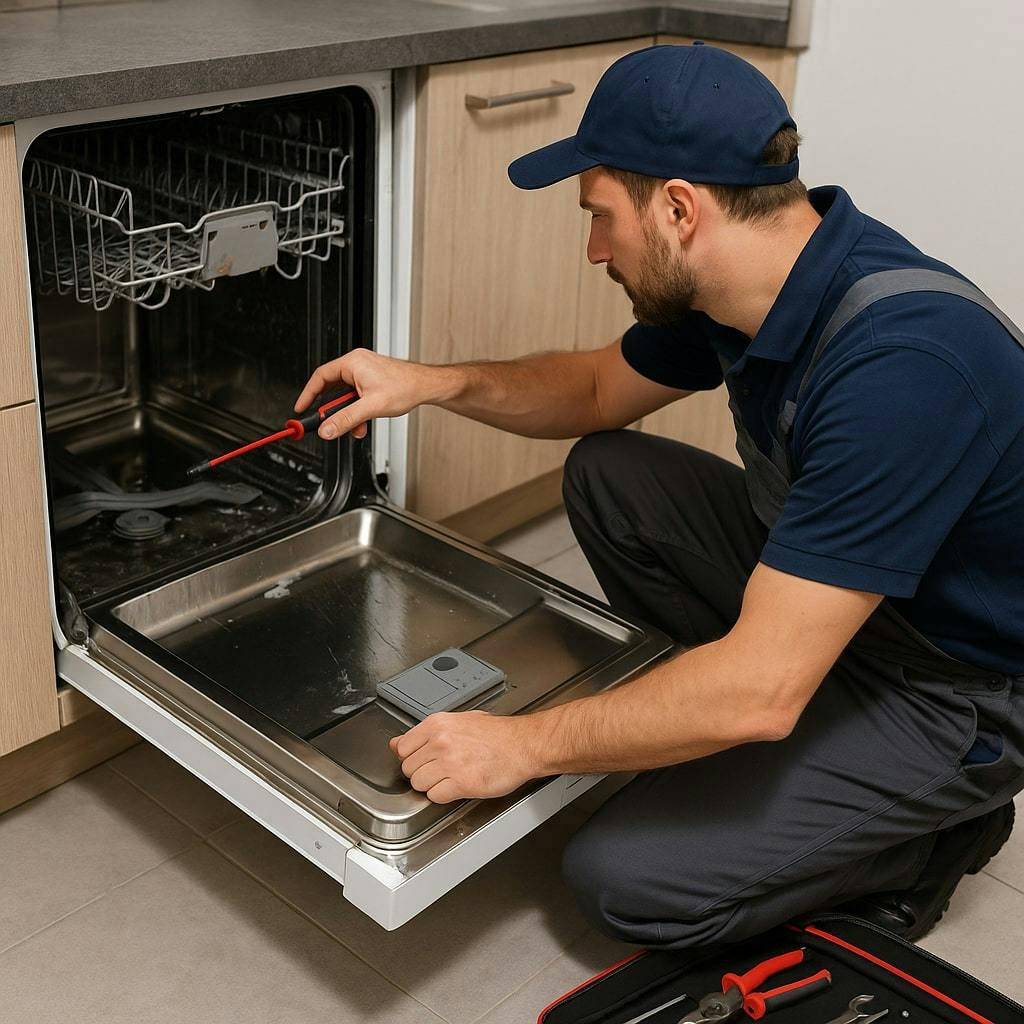
General advice
Authorised repairer, manufacturer warranty, consumer guarantee: three different things. Here is what each one means when your appliance breaks down.
Read the guide