Gas burner clicks but won't light? Start with the cap
A woman in Corrimal had us out last winter for a front burner that clicked and clicked and never caught. By the time I got there she had already been to the shops and picked out a replacement cooktop. Six hundred odd dollars plus the install.
The burner cap was sitting a couple of millimetres off its seat, propped up on a bit of dried-on bolognese. I lifted it off, cleaned the crown underneath, sat it back down square, and it lit first go.
That is not clever diagnosis. It is just the most common answer there is. Twenty-five years of driving a van around the Illawarra and I would still back the burner cap over everything else combined.
The clicking is good news
People hear the tick-tick-tick and assume the ignition has died. It is the opposite. That sound is the spark firing exactly as it should. Something is stopping the gas and the spark meeting in the right spot, and most of the time it is a physical thing you can see once you take the top apart.
Turn the knob off and let everything go properly cold. Then lift off the trivet, the burner cap (the flat disc on top) and the crown underneath it. They just sit there. Nothing is screwed down.
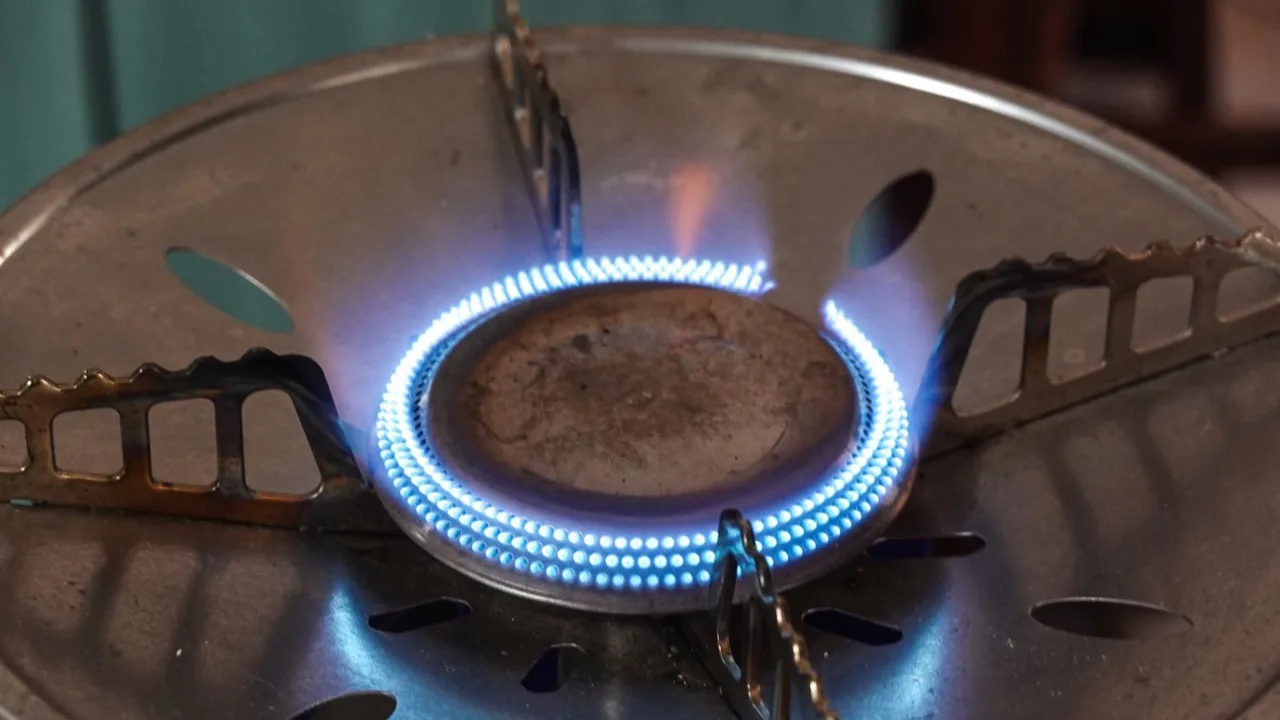
Look at the crown. Around the rim there is a row of small ports, and every one of them is a place the flame is meant to come out of. Boiled-over pasta water, oil, crumbs, a bit of sugar from a spill six months ago, it all bakes into those holes. Clear them with a pin, a needle or a stiff brush. Not a toothpick, because they snap off and leave the tip in there.
While you are in there, find the ignition electrode, the little white ceramic pin sitting beside the burner. If it has gone brown and greasy the spark jumps to the wrong place, or does not jump at all. Wipe it clean and dry. Most cooktops have a second probe next to it, the flame sensor, which tells the appliance a flame is actually burning. Same treatment.
Dry everything properly, put the crown and cap back on, and check the cap sits flat and does not rock. Some have a notch or a lug that has to line up. If it lights and stays lit, you are done, and you have just saved yourself a new cooktop.
Where I stop, and where you should too
Everything above is cleaning parts that lift out with your fingers. That is fair game for anyone.
Past that point, it is a different job. The injector (the brass jet the gas actually comes through), the gas valve behind the knob, the supply line, the regulator, and anything to do with the LPG bottle or the meter, none of that is a DIY repair in NSW. Gas work has to be done by someone holding the licence for it, and the rules NSW puts on gasfitters exist because the failure mode here is not an inconvenience. So do not undo a fitting, do not poke anything into the injector, and do not chase a gas smell with a lighter.
If you can smell gas, shut it off at the isolation valve, open the windows, leave the ignition and the lights alone, and ring us or the gas emergency line.
The faults that are actually ours
A burner that clicks even with every knob turned off is moisture in the switch or the spark module, and it will keep going until someone opens the panel. Happens a lot after a big clean where water has run down behind the knobs.
A burner that lights and then dies the moment you let the knob go is nearly always the flame sensor or the safety valve, the appliance deciding it cannot see a flame and cutting the gas. Cleaning the sensor sometimes fixes it. When it does not, the part has failed.
A flame that burns yellow instead of blue, or leaves soot on the bottom of your pans, means the air mix is wrong. Worth sorting quickly. Fire and Rescue NSW put cooking at the top of their home fire causes list, and a badly burning cooktop under a greasy rangehood is not a combination to leave running.
One more thing about the coast
Between Helensburgh and Thirroul, and again down past Kiama, salt gets into everything. Electrodes corrode, spark leads go brittle, burner crowns pit and rust up in the ports. Nothing to be done about the air, but soak the burners a bit more often than the manual suggests.
Getting it fixed
If the cap sits flat, the ports are clear, the electrode is clean and it still will not light, the fault is behind the panel and it is ours to sort. We repair gas, electric and induction cooktops on every major brand across the Illawarra and South Coast, and do the matching oven at the same visit when both are playing up. If yours is induction rather than gas, the induction troubleshooting guide is the one you want.
A technician finds the fault and quotes before starting. The assessment fee is $125 across the Illawarra and $145 further out on the South Coast. Book a repair or call 02 4229 3777 and tell us the brand and whether it is natural gas or bottled.