Wollongong Service Company

Appliance repairer or electrician? What NSW rules say

appliance repairelectrician
Appliance repairer or electrician? What NSW rules say
For a plug-in appliance, it is a repairer's job, not an electrician's, and NSW licensing rules draw a clear line at the powerpoint. Here is how it works.

When the washing machine dies, plenty of people wonder whether to call an electrician or an appliance repairer. For most household appliances it is the repairer, and there is actually a legal line in NSW that explains why.

The line NSW draws at the powerpoint

In NSW you need a licence to carry out electrical wiring work, which is the physical work of installing, altering or repairing the fixed wiring of your home. But the rules are specific about where that fixed wiring stops. The legal definition of an electrical installation does not include anything "connected to, and extending or situated beyond, any electrical outlet socket."

In plain terms, once it is plugged in, it is the appliance, not the wiring. Your washing machine, dryer, fridge, dishwasher and microwave all sit beyond the powerpoint, so repairing what is inside them is appliance service work, a trade of its own, not licensed electrical wiring work.

So the split is straightforward. A licensed electrician is who you want for the powerpoint, the circuit, the switchboard or a safety switch that turns out to be a house-wiring fault. An appliance technician is who you want for the machine itself.

The fault is rarely the wiring anyway

Most of what actually goes wrong lives inside the unit: a seized drain pump, a perished door boot seal, a blown thermal fuse, worn drum bearings, a failed control board. An electrician is trained on your home's wiring, not on the internals of a particular washing machine model. An appliance tech is, and can get the right part for that model rather than a rough substitute.

That is the practical difference. Calling a general electrician for an appliance fault often means the diagnosis stops at "the appliance is faulty," which you already knew.

The exception: hardwired ovens and cooktops

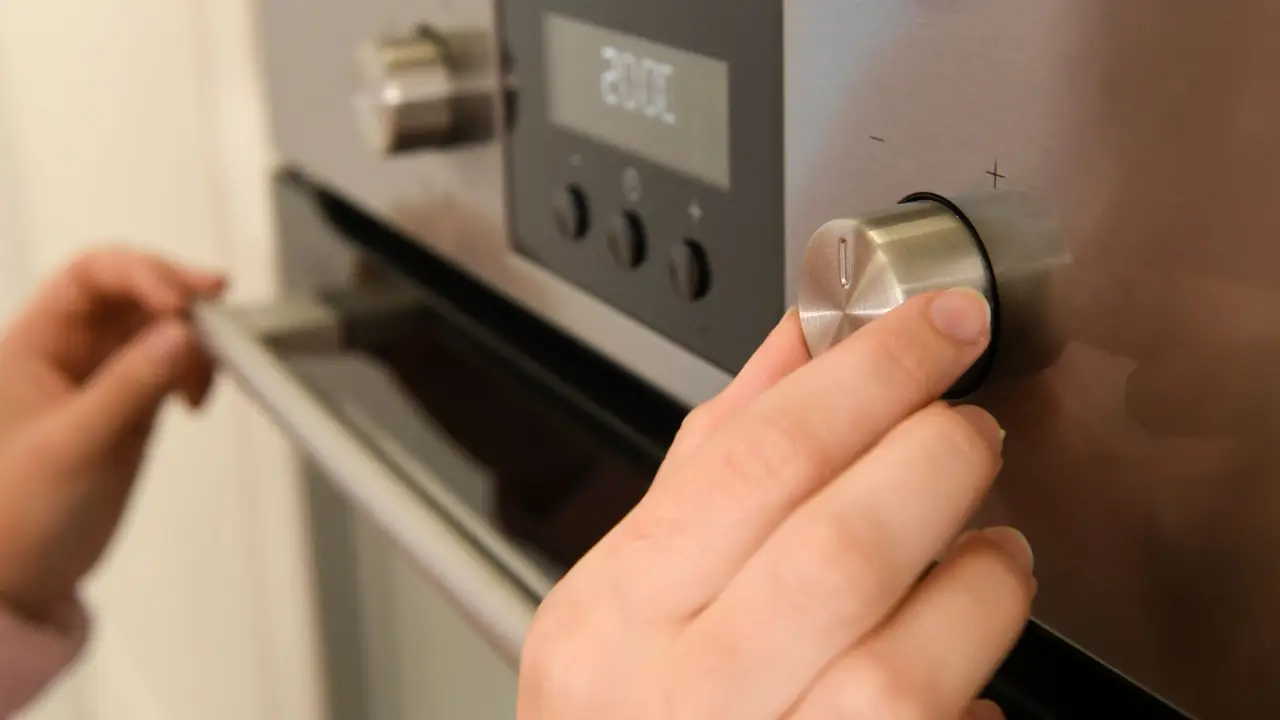
There is one place the two trades meet. Some ovens and cooktops are not plugged in. They are hardwired straight into the fixed wiring. Repairing the appliance is still appliance-tech work, but disconnecting and reconnecting fixed electrical equipment from that wiring is licensed work in NSW. A good repairer will tell you when a job crosses that line and needs a licensed person for the disconnection.

Where we fit

Appliance repair is all we do, and have done across the Illawarra and South Coast since the 1980s, on every major brand. We diagnose the fault and give you a quote before any work, with a $125 assessment fee across the Illawarra and $145 further out. If your problem turns out to be the house wiring rather than the appliance, we will say so plainly, and that is when you want a licensed electrician instead.

Not sure which it is? Our guide on what to check before you call helps you narrow it down. Otherwise book a repair or call 02 4229 3777.

Common questions

Do electricians fix ovens?

An appliance technician repairs the oven itself. Disconnecting and reconnecting a hardwired oven or cooktop from the fixed wiring is licensed electrical work in NSW, so if yours has to come off the wiring, an electrician does that part.

Do I need an electrician to fix a dishwasher?

No. Once a dishwasher is plugged in, repairing what is inside it is appliance service work, a trade of its own, and does not involve licensed electrical wiring work. An electrician is who you want for the powerpoint, the circuit, the switchboard or a safety switch that turns out to be a house-wiring fault.

What do you call a person who fixes appliances?

An appliance technician. A technician repairs the machine itself, and a licensed electrician handles faults in the house wiring such as the powerpoint, the circuit or the switchboard.

Why would I call an appliance repairer instead of a general electrician?

Most faults live inside the unit, such as a seized drain pump, a perished door seal, a blown thermal fuse or a failed control board. An electrician is trained on your home's wiring, not the internals of a particular model. An appliance technician can also get the right part for that model.

Does the NSW electrical licence rule apply to plug-in appliances?

The legal definition of an electrical installation does not include anything connected to, and extending or situated beyond, an electrical outlet socket. In plain terms, once it is plugged in, it is the appliance and not the wiring. That is why fridges, washing machines, dryers and microwaves count as appliance service work.

What does an appliance assessment cost?

The assessment fee is $125 across the Illawarra and $145 further out. You get a quote before any work. If the problem turns out to be the house wiring rather than the appliance, we will say so, and that is when you want a licensed electrician.

Latest News & Tips

Stay informed with expert advice on appliance maintenance and repair

CHOICE's latest test puts tablets ahead of powder and gel. Here are the results, what each type costs per wash, and the Fisher & Paykel DishDrawer exception.
Read full post
A dead display and no heat is different from an oven that lights up but stays cold. Check the power, the control lock and the timer before you book a technician.
Read full post
Cloudy glasses come from mineral film, detergent residue or, less often, permanent etching. A vinegar test tells you which, and most causes can be fixed at the dishwasher.
Read full post

Need Appliance Repair?

Experiencing issues with your appliances? Our expert technicians are here to help — book a repair visit online or give us a call.

CallBook online

Book a Service

Need immediate assistance?

Call 02 4229 3777